The National Alliance for Recovery Residences (NARR)

The National Alliance for Recovery Residences (NARR)
The National Alliance for Recovery Residences (NARR)

The National Alliance for Recovery Residences, or NARR, exists to support men and women in recovery from addiction through improved access to quality sober houses and established recovery home standards and support services.

NARR serves peer-run sober houses as well as licensed treatment programs with a mission to support recovery-oriented systems of care and the social model of rehabilitation. The Alliance also fosters nationwide communities that provide a therapeutic environment promoting recovery from addiction.


Table of Contents


About the National Alliance for Recovery Residences

NARR, a non-profit organization, is evolving to address the needs of behavioral and physical healthcare systems that are stepping up to the challenges of today’s economic and socio-political demands for practice-based evidence of effectiveness for sober houses and treatment for men and women in recovery. In 2011, NARR organized a gathering of over 40 sober houses, recovery residences, halfway houses, and other organizations’ representatives and stakeholders from across the United States. Their aim was to standardize the procedures in place at sober houses and residential addiction treatment programs and centers.

NARR’s formation whitepaper states:

Harnessing the experience and diversity of Development Committee members best serves the many pathways to recovery. Our coalition’s sustained and unified voice is influential regarding other issues such as funding; program evaluation and quality improvement; offender reentry or restorative justice; and the employment and housing discrimination that affects the millions of people and families in recovery.

National Alliance for Recovery Residences’ Mission and Vision

Our mission is to support persons in recovery from addiction by improving their access to quality recovery residences through standards, support services, placement, education, research and advocacy. We envision all persons in recovery from addiction having access to the recovery support they need to live happier, healthier lives. NARR values hope, compassion, respect, honesty, responsibility, and fairness. NARR works with federal government agencies, national addiction and recovery organizations, with our state-level recovery housing organizations, and with state addiction services agencies in pursuit of better and more accessible recovery housing opportunities.


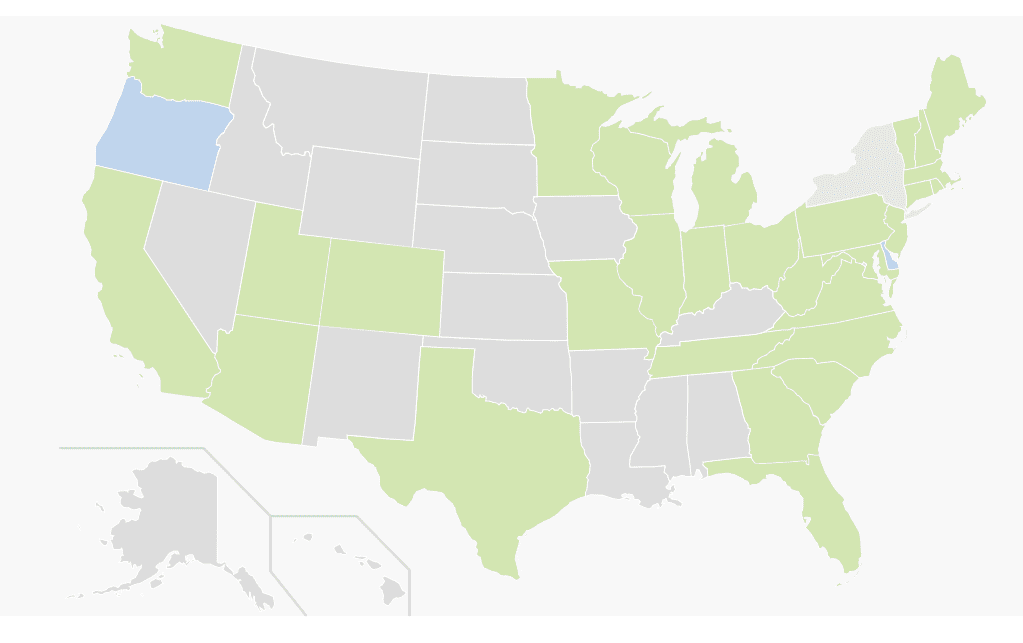
NARR State Affiliates

To ensure the effective implementation of recovery residence standards nationwide, NARR works through a decentralized network of state-level affiliate organizations. These affiliates are independent nonprofit organizations that adopt and enforce NARR’s standards within their respective states. They also certify individual homes, train operators, and advocate for recovery housing at the state level.

What NARR Affiliates Do?

  • Certify Recovery Residences according to NARR’s nationally recognized standards.

  • Support Operators through training, technical assistance, peer learning, and resources.

  • Serve as Advocates for recovery housing in policy discussions and legislative matters.

  • Monitor Quality through re-certification, complaint investigation, and continuous quality improvement efforts.

Each affiliate serves as a bridge between national best practices and local implementation.

Examples of NARR Affiliates

For individuals seeking recovery housing, choosing a home certified by a NARR affiliate ensures alignment with nationally accepted standards. For operators, becoming certified through a state affiliate opens the door to a supportive community, enhanced credibility, and greater access to referrals and funding.


The Importance of NARR-Affiliate Certification

NARR certification is a hallmark of quality and credibility in the recovery housing sector. Certification is not just a formal credential—it represents a commitment to the highest standards of care, safety, and support for individuals in recovery. NARR-certified residences adhere to a comprehensive framework that evaluates governance, operations, staffing, physical environment, and resident care, all grounded in the principles of the social model of recovery.

Why it matters:

  • Safety and Stability: NARR-certified homes are required to maintain a substance-free, structured, and supportive environment that promotes long-term recovery.

  • Standardization: Certification helps standardize expectations and practices across the country, allowing guests and families to trust that they’re entering a reputable residence.

  • Trust for Referrals and Funding: Many clinical providers, court systems, and government agencies require or prefer NARR-certified homes when making referrals or awarding grants.

  • Evidence-Based Practice: NARR’s standards are rooted in research and developed in partnership with national addiction and recovery experts, ensuring homes operate with practices proven to support recovery.

For guests and operators alike, NARR certification provides clarity and confidence. It assures that a home meets rigorous criteria and is subject to periodic review and oversight. Certification also fosters continuous improvement, offering homes a clear roadmap for growth and excellence.


Overview of NARR Recovery Housing Levels

Recovery Residence Levels define the spectrum of recovery housing, offering alcohol and substance-free environments with a social model recovery approach. These residences vary in staffing, governance, and recovery support services, guided by the American Society of Addiction Medicine (ASAM) categorization. Levels and Types are used interchangeably.

Level I (Type P, Peer-Run) includes democratically run homes like Oxford Houses, which are alcohol and substance-free. These residences rely on house rules and peer accountability, emphasizing democratic governance. To read more about Oxford Houses, check out our article titled All About Oxford House: Self-run, Self-supported Recovery Homes.

Level II (Type M, Monitored), often known as sober homes, provide alcohol and substance-free environments with house rules and peer accountability. Senior residents, called House Managers, are appointed by the owner/operator. Some Level II homes offer additional recovery support services and life skills development, particularly for populations such as youth with opioid use disorders.

Level III (Type S, Supervised) residences deliver weekly structured programming, including peer-based and other recovery support services, as well as life skills development. Staff are trained, supervised, or credentialed, often being graduates of recovery programs. These residences support individuals needing more intensive assistance and must be licensed in some states.

Level IV (Type C, Clinical) combines social and medical models, utilizing supervised peer and professional staff. These residences offer clinical addiction treatment, peer-based recovery support, recovery support services, and life skills development. Level IV residences are licensed treatment programs that implement social model care in a therapeutic community setting.

Each level is designed to meet different needs, providing customized support to individuals in recovery. This allows participants to explore various recovery pathways through the diverse models provided by their peers.

NARR Levels: A Comparison Table

Level Type Staffing Key Features Target Residents
Level I P (Peer-Run) None Democratically governed Independent residents in early recovery
Level II M (Monitored) House Manager Structured rules + peer support Residents needing mild oversight
Level III S (Supervised) Credentialed staff Weekly programming Those needing structured support
Level IV C (Clinical) Clinical + peer staff Treatment + housing People needing residential treatment


Vanderburgh Sober Living and NARR

At Vanderburgh Sober Living, we have developed our recovery housing model based on the recommendations and best practices established by NARR. Many of our homes have been awarded certification through NARR-affiliated state organizations. We primarily operate Level II recovery residences—commonly known as sober homes—that provide peer-supported, structured, and substance-free environments. With homes in eight states and growing, Vanderburgh Sober Living is proud to be the largest network of NARR-affiliate certified recovery housing providers in the United States, and the nation’s largest operator of Level II certified sober homes.


Continuum of Care at Vanderburgh Sober Living


Get Involved with Recovery Housing!

Continue your recovery journey!

Are you looking for a structured and supportive environment to continue your recovery journey? VSL Chartered Homes comply with the National Alliance for Recovery Residences’ (NARR) standards and are committed to providing exceptional recovery housing to our guests in recovery. VSL homes operate across the northeast, extending as far south as North Carolina and as far west as Illinois. If you or someone you know would benefit from our first-class structured and peer-focused sober living program, look no further than Vanderburgh Sober Living

Apply now to live in a VSL recovery home

Operate your own sober home!

Are you passionate about helping others in their recovery journey and interested in operating your own sober home? Become one of our Chartered Operators and unlock access to a support system that can help you grow your impact. Our Chartered Operators have three things in common: a passion for serving individuals in recovery, a desire to offer these individuals sober living, and the capacity to operate their own business and homes. If you or someone you know would like to join the Vanderburgh team as a Chartered Operator, reach out to us! 

Get more information about running a sober home with VSL