
Sober house loans work a little differently from a standard mortgage, because the property is valued on the income it produces as recovery housing. Three routes cover almost every purchase: private financing, a DSCR loan, and a conventional mortgage.
You want an income property with steady demand, and you are comfortable leasing the building to an operator who runs the program day to day.
You are buying a home you intend to run yourself, so the loan has to work alongside the cost of opening and staffing the program.
You have a property under agreement on a short timeline and need capital in place before a conventional lender could finish underwriting.
Which loan fits depends on the property, your experience, and how the income is structured. Whether you plan to operate the home or lease it out to an operator, one of these three usually gets it done.
| Private financing | DSCR loan | Conventional mortgage | |
|---|---|---|---|
| Overview | Capital from private lenders or partners, structured deal by deal | A loan sized on the income the property itself produces | A traditional bank loan priced on the borrower |
| Best for | Value-add deals, quick closings, unusual situations | Income-producing homes and investors buying at scale | Stabilized homes and experienced borrowers |
| Qualifies on | Deal-specific underwriting | The property’s cash flow, not personal income | Personal income, credit, property fundamentals |
| Speed | Fast | Moderate | Slower, with more documentation |
| Flexibility | High, in both structure and terms | Moderate, geared to income properties | Lower, with standardized terms |
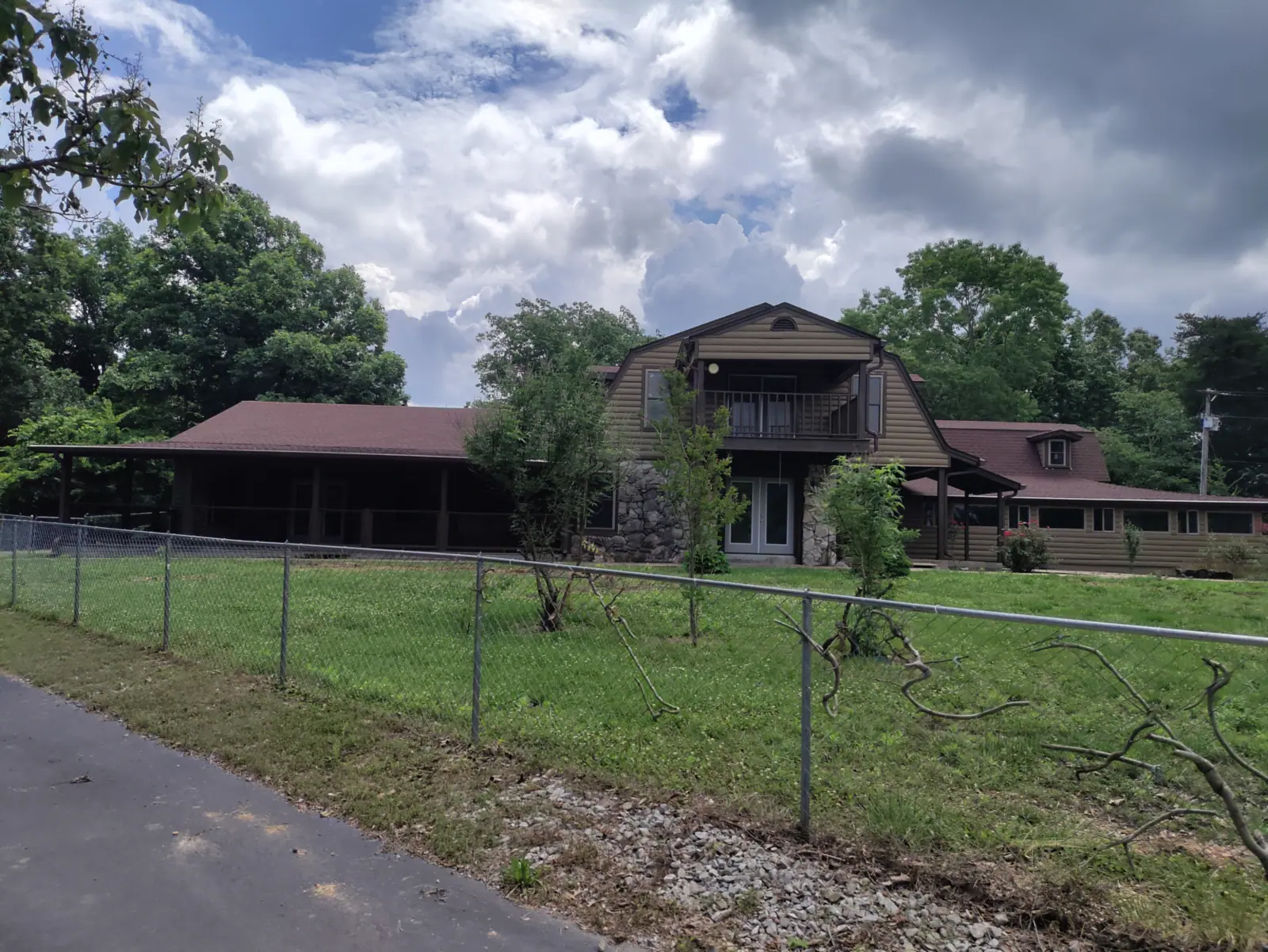
Capital from private lenders or partners, used when a deal needs speed or a structure a bank will not write. It carries the most flexibility and the fewest hoops, which makes it useful for value-add projects and fast closings. The tradeoff is cost, so it often bridges to a longer-term loan once the home is stabilized.
More on private and hard money loans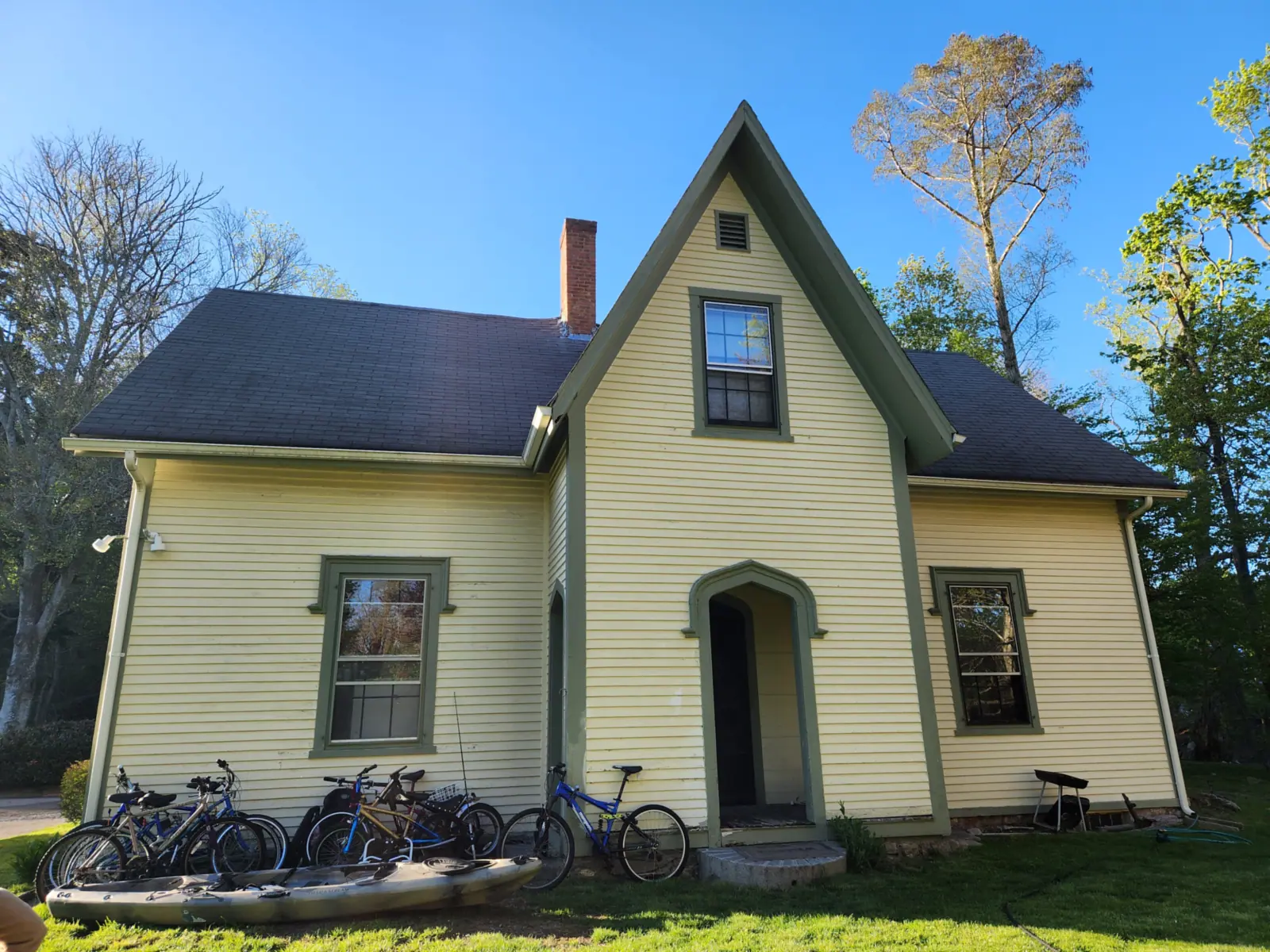
A debt service coverage ratio loan qualifies on the property’s cash flow rather than your personal income. That fits recovery housing well, because a per-bed model produces the steady income these loans are built around, and it lets investors add homes without stacking personal debt.
More on DSCR loans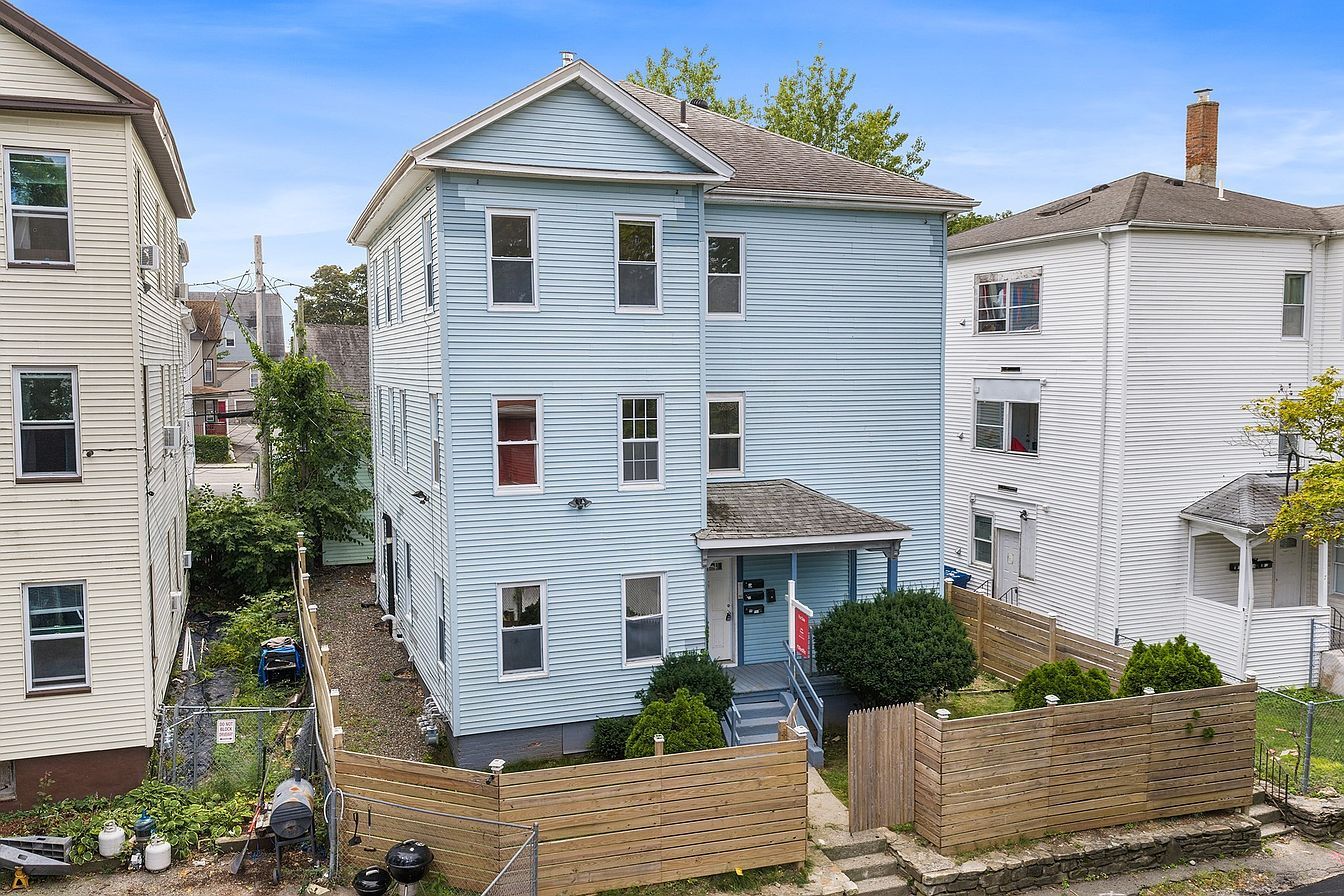
Traditional bank loans priced on your income, credit, and the property fundamentals. They carry the best terms available for a stabilized home and an experienced borrower, in exchange for more documentation and a slower path to closing. This is often where an owner lands once the income is proven.
More on bank and credit union loansMost lenders treat a sober living home as residential real estate with an operating use attached, so they look at both the building and the business. The clearer the income picture, the closer the loan looks like a normal residential deal.
How full the home runs, month over month, and whether that record can be documented rather than described.
Whether you run the program yourself or lease the building to an operator, and what that agreement says.
What the building needs before it can be occupied, and whether that work is priced into the deal.
What you have run before, in recovery housing or in rental property, and who else is on the file.
Applications stall on the same few things. A property whose income cannot be documented is the hardest to finance, which is why the numbers matter as much as the house.
A home with no track record, or one whose numbers live in a notebook instead of a ledger.
Beds that are said to be full but cannot be shown as full across a run of months.
Deferred maintenance an appraiser will flag, or work that has to happen before anyone can move in.
Credit, liquidity or income that does not support the size of the request, with nothing to offset it.
If you have not bought yet, the same information helps you buy a sober living home with financing lined up before you make an offer, and you can see what is currently available in our listings of homes for sale. Financing is one piece of the wider recovery housing real estate section.
Start with the financing application. It covers the property, your experience, and how you plan to use the home.
Start the applicationA financing advisor calls to talk through your plans, your timeline, and which loan structure fits the deal.
You provide what the lender needs to underwrite the file, such as property financials, income records, and entity details.
See the document listThe lender reviews the file and issues approval with the rate, term, and conditions for your purchase.
You close on the financing and complete the purchase, ready to operate the home or lease it to an operator.
We structure and place financing for recovery housing through our lending partner, Honeybee Financial. They work specifically with recovery housing and residential assisted living, so the property is understood as an income-producing asset rather than a hard-to-place edge case.
Honeybee works specifically with recovery housing and residential assisted living, so the per-bed income model is read correctly in underwriting.
You get help matching the loan structure to the deal, whether that is a fast private close or a longer DSCR hold.
The partnership opens conventional, DSCR and private options through lenders who already fund recovery housing and know the asset class.
Talk to us about financing and we will help you structure it around the property, the income, and how you plan to run or lease the home.
Complete the Financing ApplicationYes. Most buyers use one of three routes: private financing, a DSCR loan that qualifies on the property’s cash flow, or a conventional mortgage based on personal income and credit. The right one depends on the property, your experience, and how the income is structured.
A DSCR loan qualifies on the property’s cash flow rather than your personal income, using the debt service coverage ratio. It suits income-producing recovery homes and investors adding properties at scale, because the home’s per-bed income carries the loan instead of your personal balance sheet.
Lenders treat a sober living home as residential real estate with an operating use, so they weigh both. They look at occupancy, the lease or operating structure, the property’s condition, your experience, and the documented income. A clear income picture makes the loan look like a standard residential deal.
Applications usually stall on a thin operating history, weak or unproven occupancy, a property in poor condition, or borrower financials that do not support the request. Income that cannot be documented is the hardest to finance, so the numbers matter as much as the house.
Property details, the operating and income picture, occupancy and rent history, and your entity and financial documents. Having those in order up front is most of what moves an application, and it lets you line up financing before you make an offer.
