
Earn above market rent on a long-term lease without running the program. You keep ownership of the property, and a vetted operator runs the sober living home and handles residents and day-to-day operations.
 Leased
Lease rate
2.2x
average premium over traditional rental rates for the same property.
Reach
30+
states with an operator network looking for homes to lease.
Lease term
5–15 yrs
typical operator lease, so income is predictable years out.
Involvement
Passive
no day-to-day operations; the operator runs the home.
Leasing to an operator suits owners who want to keep the real estate but not manage a recovery home. That might be the owner of an existing sober house, the owner of a residential property that would work well for recovery housing, or an operator who wants to step back from running the home while keeping the asset.
You own the property, a vetted operator leases it from you and runs the sober living business, and you collect rent.
Sober living homes lease at roughly 1.1x to 2.5x traditional market rent, averaging about 2.2x. The premium pays for the operational use of the property, which is why the same house is worth more as a recovery home than as a conventional rental.
See how sober living compares to traditional rentals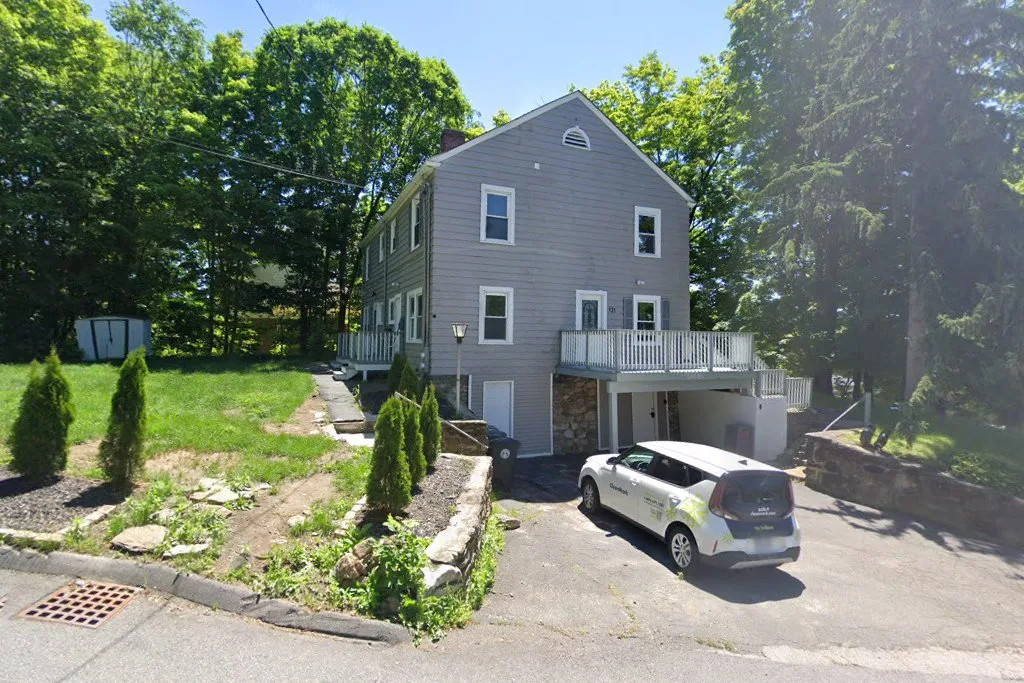
Operator leases usually run five to fifteen years, and in most of them the operator picks up the day-to-day expenses: utilities, maintenance coordination, and the operating costs of running the home. Your income is set years out, not renegotiated every twelve months.
See how these leases are structured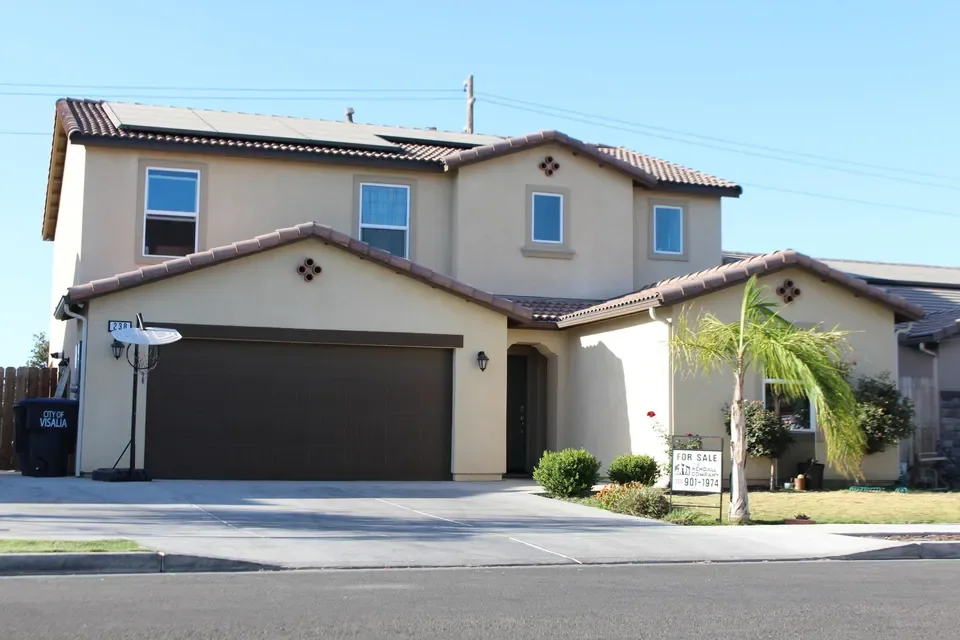
A house under a long-term operator lease is valued on the income it produces, not on what the neighbors sold for. Between the higher rent and a signed multi-year lease, that commonly puts the property 50% to 120% above what it would appraise for as an ordinary single-family sale.
See how these homes are valuedDemand for quality sober living real estate runs well ahead of supply, and the volume is real.
If you are weighing whether to lease or exit entirely, it is worth comparing this against what the home could bring if you sell a sober living home instead. Leasing is one route through the wider recovery housing real estate section.
Your property goes in front of operators looking specifically for sober living homes, across more than thirty states, rather than the general rental market.
See homes currently for leaseWe market the property as recovery housing, so the operators who inquire already understand the use, the lease structure, and what the building has to support.
Read the landlord guideStandard and Featured listings stay live month to month after the first three months, for as long as you keep them. The Full Service Listing stays up until the property leases, with no further fee.
List your propertyEvery listing puts your property in front of operators looking for homes to lease. Featured and Full Service listings also give you what you need to lease it well. Most owners have never leased to an operator, and the lease you sign will run five to fifteen years.
Eleven templates and tools you fill in for your own property, from the first assessment to the agreement you sign.
Leasing Your Property to a Recovery Residence Operator. Twelve lessons, about two and a half hours, taking you from “I heard this pays well” to an agreement you understand.
The library gives you the tools to do the work yourself. Full Service does it with you on your actual building.
These are real homes, leased to sober living operators through VSL and housing residents today. Each owner kept the property and collects one monthly rent check from the operator.
 Leased
Taunton, MA
$5,875/month
 Leased
Worcester, MA
$6,500/month
 Leased
New Bedford, MA
$8,500/month
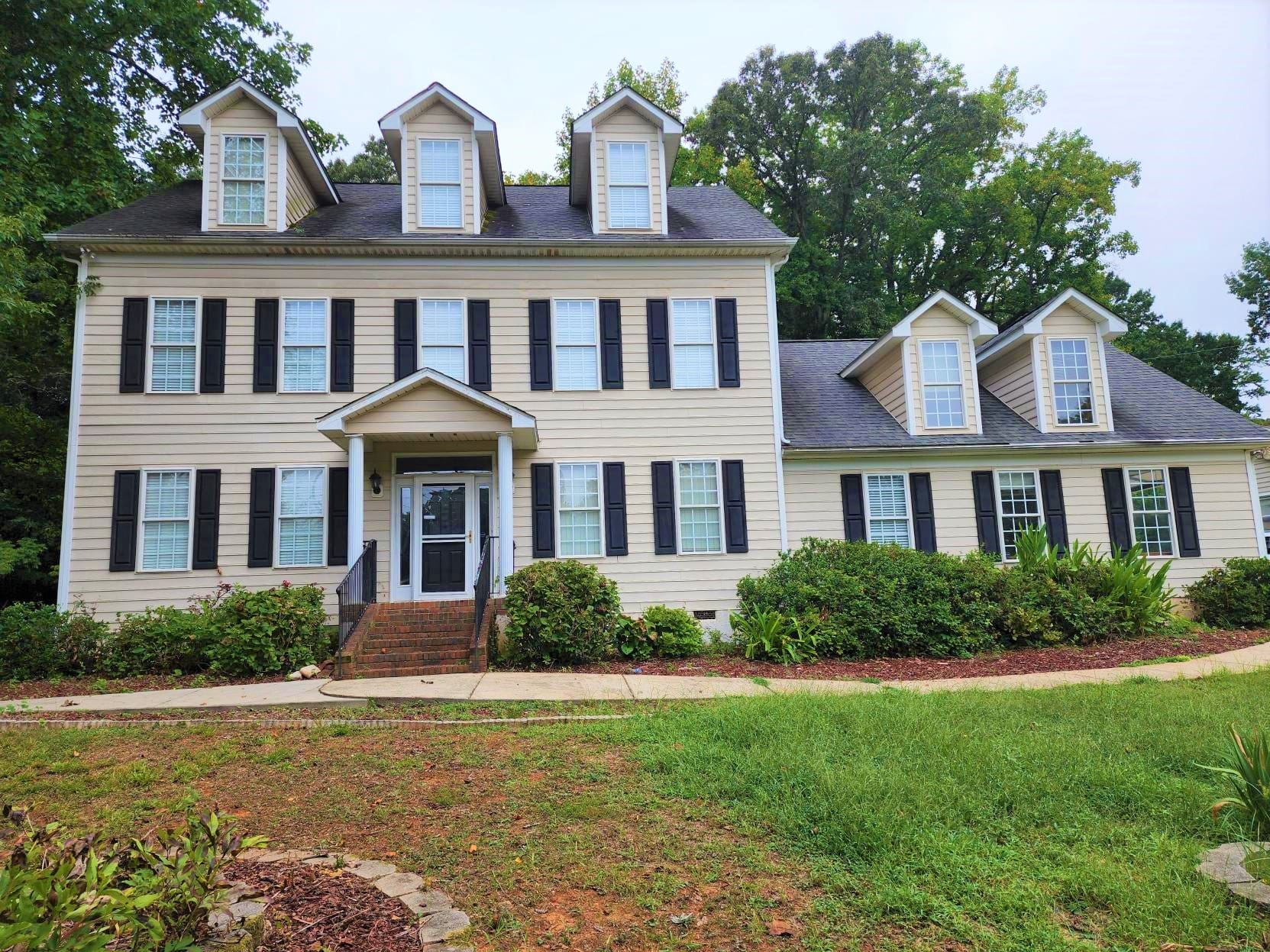 Leased
Charlotte, NC
$8,500/month
Every package puts your property in front of operators looking for homes to lease. Featured and Full Service also give you the tools to lease it well, and Full Service does the analysis with you.
| Feature | Standard $49.99/mo + 3-mo commitment | Featured $89.99/mo + 3-mo commitment | Full Service $1,200 one-time, listed until leased |
|---|---|---|---|
| Listing on platform | Yes | Yes | Yes |
| Property photos and description | Yes | Yes | Yes |
| Operator inquiry form | Yes | Yes | Yes |
| Email lead notifications | Yes | Yes | Yes |
| Featured / priority placement | Yes | Top placement | |
| Property badge | Featured Property | VSL Verified | |
| Email blast to operator network | One-time at launch | Up to 2 blasts | |
| SMS lead notifications | Yes | Yes | |
| Listing duration | Month-to-month after 3 mo. | Month-to-month after 3 mo. | Listed until leased |
| Owner Resource Library: eleven templates and tools | Yes | Yes | |
| Owner Course: 12 lessons covering all areas of passive recovery home ownership | Yes | ||
| Floor Plan Review: verified bed capacity and a reviewed floor plan presented to the operator | Yes | ||
| Economic Model: a professionally prepared financial model that presents your home to prospective operator tenants | Yes | ||
| Placement Support: we work the operator search with you | Yes |
Featured gets you the library. Full Service gets you the library, the course, and a review of your actual floor plan and numbers.
Not sure which package fits? Our team can recommend one based on the home and your goals.
Property owners like you, who kept their real estate and handed the operation to a vetted operator.

Michelle Ngila
Property Owner, Worcester Services, LLC
“VSL has helped me lease more than six properties in Massachusetts and North Carolina, and they have helped support my operators along the way so I can focus on growing my portfolio.”
Leased through VSL

Dawna Thomas
Property Owner, New England
“I was able to repurpose one of my existing investment properties as a recovery home, and now I’m actively looking to purchase additional properties to provide for recovery housing in my retirement.”
Leased through VSL
A listing puts your property in front of a national pipeline of operators actively looking to lease.
List Your PropertyTalk With Our TeamThree options. Standard is $49.99 a month with a three-month commitment, then month to month. Featured is $89.99 a month on the same terms and adds priority placement, a badge, an email blast to the operator network, and SMS lead alerts. Featured also includes the Owner Resource Library of eleven templates and tools. Full Service is $1,200 once, stays listed until the property leases, and adds the Owner Course, a floor plan review, an economic model for both sides of the lease, and hands-on placement support.
Standard gets your property seen. Featured adds the Owner Resource Library, the templates and tools to assess the property, run your own numbers and prepare the lease. Full Service adds the Owner Course and does the analysis with you: a Floor Plan Review and an Economic Model for your building.
Standard and Featured go month to month after the third month, so you can stop whenever you want. The Full Service Listing stays listed until the home leases, with no additional fee. We do not guarantee a lease. No listing service can, and anyone who tells you otherwise is guessing at your market.
The operator does, and that is the point of the structure. Operators set admission criteria, enforce house rules, and handle discharge. You are the landlord to the operator, not to the residents, and you have no role in who is admitted.
A sober house is an occupied home, so it sees the same wear any tenancy produces. Operator leases are commonly written so the operator handles maintenance directly and returns the property in the condition the lease specifies, and most recovery homes run tighter house rules on damage, smoking, and guests than a typical residential tenancy.
Featured and Full Service owners get the Pre-Certification Facility Walkthrough, the inspection your operator will run, and lease templates with inspection and condition clauses as a starting point for your attorney.
Usually not, and this is better settled law than most owners expect. Housing for people in recovery is generally protected under the federal Fair Housing Act and the Americans with Disabilities Act, which limits how a city can treat a recovery residence differently from any other family use of a single-family home. Local rules and inspection requirements still vary, and we go through the specifics of your municipality with you before the property is listed.
Neighbors sometimes object when a recovery home opens, usually through a complaint to the town. The operator runs the house rules on guests, parking and noise, where most day-to-day concerns get settled. If a complaint becomes a town decision, the Request for Reasonable Accommodation template in the Owner Resource Library is a starting point for your attorney.
You keep the owner policy on the building. The operator carries liability and contents coverage for the business it runs inside it, and the lease names who carries what. Featured and Full Service owners get the Insurance Requirements Checklist: what you carry, what they carry, and the gap that catches people.
The lease is between you and the operator, so your remedies are the ordinary ones for a commercial tenancy in your state. The three agreement templates in the Owner Resource Library include guaranty and default provisions, as starting points for your attorney. If the relationship ends, we can put the property back in front of the same operator network, which is a much shorter search than starting over on the open market.
Bed count first, then location, layout, and what an operator in that market can realistically collect per bed. That is why the floor plan matters. A property that sleeps eighteen supports a very different rent than the same square footage laid out for eight, and the number we arrive at is the one an operator can actually pay for years.
It depends on your property’s bed count, location and layout. Featured and Full Service owners get the Financial Model Template to run the numbers on their own building.
People and organizations that run sober living homes for a living. Some are established operators expanding into a second or third house, some are opening their first. Every one of them is taking on the residents, the staffing, and the compliance work, which is the part you are handing off.
A multi-year lease, most often triple net or modified gross, which shifts the operating costs and day-to-day responsibility to the operator and leaves you with the rent. If you want to stay closer to the property, a modified gross lease or a contract operator agreement keeps more control with you. The Owner Resource Library includes a template for each structure, as a starting point for your attorney.
No. Plenty of the properties operators lease were never sober houses. A single-family home with enough bedrooms and bathrooms, or a two or three family, is often a simple conversion.
Then you are the most common case we see. Leasing the property to another operator moves you from running a program to collecting rent, and you keep the real estate and its appreciation.
