
Done-With-You Acquisition

The Acquisition Desk

Buy your first recovery housing property with the team that has done it more than a hundred times.

Most buyers are learning underwriting, financing, and closing at the same time, on the largest purchase of their life, with an agent who has never heard of a NARR standard. The Acquisition Desk replaces that with a course, a plan, a trained agent, deal-by-deal analysis, a financing roadmap, and a team on the closing calls.

Six Parts, One Engagement

  • 1. The Buyer CoursePurchasing real estate for recovery housing, start to finish
  • 2. Your Acquisition PlanA working session that ends in a written plan for your market
  • 3. A Trained Local AgentWe recruit them and we teach them what to look for
  • 4. Deal AnalysisWe underwrite every property with you before you commit
  • 5. Financing FeasibilityCredit, liquidity, partners, and loan placement
  • 6. Closing CoordinationOn the calls from accepted offer to recorded deed

Why Buyers Use The Desk

What Changes When You Buy With an Operator on Your Side of the Table

A real estate agent gets paid when you close. A lender gets paid when you borrow. Nobody in a standard transaction is paid to tell you the house will not fill. We are operators first, and we have opened enough homes to know which ones work.

Experience 10years operating recovery homes

We are not analyzing your deal from a spreadsheet template. We have run the homes, filled the beds, paid the debt service, and learned which floor plans and which neighborhoods hold up.

Learn More
Network 435+recovery home operators supported

Lenders who have funded this asset class before. Agents, attorneys, inspectors, and contractors who have worked on recovery housing. You inherit relationships instead of cold-calling them.

Learn More
Return 26%average ROI on deals closed

A recovery residence underwritten properly performs differently from a standard rental, because the program fee model and the referral pipeline are different. The number above is the average across the deals we have closed.

Learn More

Start with a conversation about the property you are trying to buy.

Tell us your market, your capital, and your timeline. We’ll tell you honestly whether this is the right time to buy. No cost, no obligation.

Schedule an Acquisition Call

Inside the Engagement

What the Acquisition Desk Does

Six parts, in the order you will need them. Parts one and two start the week you engage. Parts three through six run until the deed is recorded.

01

Starts Immediately

Learn the Deal Before You Spend Money on One

A full course on purchasing real estate for recovery housing, written for people who have never bought an investment property or have bought a couple of rentals. Five sections covering the site search, financing options, qualifying for financing, and the closing process. Enough detail to make good decisions, no filler to wade through.

What We Teach

  • How to survey an area for demand, referral density, and zoning posture before you shop
  • How to build a buy box so you stop looking at houses that were never going to work
  • Every financing route that funds this asset class, and which one fits which deal
  • What a lender is actually looking at in your file, and how to be ready before you apply
  • The closing sequence, deadline by deadline, so nothing surprises you

What You Get

  • Full access to the Real Estate Buyer Course, five sections
  • An interactive underwriting tool that tells you whether a deal works on the numbers
  • An interactive financing tool that matches a specific deal to the loan type that fits it
  • The Buyer Qualification Form, so we both know where you stand
02

Week One

Build a Written Acquisition Plan for Your Market

You sit down with our acquisitions team for a working session, not a sales call. We look at your market, your capital, your timeline, and how much risk you can carry, and we leave with a plan you can act on. If your market is wrong or your timing is wrong, this is where you find out, before you have spent anything on inspections.

What We Work Through

  • Your target area: demand signals, referral sources, competing homes, zoning posture
  • Your buy box: price band, bed count, layout, condition, and the neighborhoods that fit
  • Your capital: what you can put down, what you should hold back, and what that buys
  • The order of operations, so the search, the financing, and the entity work run in parallel
  • An honest read on whether you should buy now, buy smaller, or wait

What You Get

  • A written acquisition plan with your buy box and target submarkets
  • A ninety-day sequence with dates, not a list of suggestions
  • A direct line to the person who wrote it for the rest of the engagement
03

Agent Placement

Get an Agent Who Already Knows What to Look For

Most buyers spend the first two months of their search teaching their agent what recovery housing needs, and getting sent listings that were never going to work. We recruit the agent in your market and we train them ourselves, on bed capacity, egress, parking, bathroom count, zoning posture, and the layouts that hold up with eight residents in the house. You should not have to explain your business to the person shopping for it.

What We Do

  • Source and interview licensed agents in your market against our own criteria
  • Train the agent we place on what makes a house work as a recovery residence
  • Hand them your buy box in writing so the search brief is not a phone conversation
  • Stay on the search with them and correct course when the listings drift

What You Get

  • A local agent, placed and trained, at no separate cost to you
  • A written search brief the agent works from
  • Showings worth your Saturday, because the obvious misses were filtered out first
04

Deal By Deal

Underwrite Every Property Before You Get Attached to It

You get the tools, and you get us. Bring a property and we run it with you: program fee revenue at realistic occupancy, renovation priced off a scope rather than a guess, debt service on the loan you are likely to get, and what the numbers look like in the months before the house is full. This is the part that keeps a bad deal from becoming a five-year problem.

What We Do

  • Model the house on the bed count the layout and the code will support
  • Price renovation from a scope of work, not a per-square-foot rule of thumb
  • Stress the deal: slower lease-up, lower occupancy, higher rate, longer renovation
  • Compare it against the other properties you are considering, on the same basis
  • Tell you to walk away when the numbers say walk away

What You Get

  • The Recovery Housing Financial Analysis deal screener
  • A written analysis on every property you take seriously
  • A defensible number to negotiate from, and the reasoning behind it
05

Where Most Deals Die

Fix the Financing Before It Costs You the House

Financing is where most first purchases fall apart, and it is also the most fixable part of the whole process. We work the entire file with you: credit, liquidity, collateral, partners, and the lender. Most of what stops a buyer is a document that was never assembled, a score that could have been repaired in four months, or equity in a property they never thought to count.

What We Do

  • Pull and read your credit with you, then build a repair plan with dates if it needs one
  • Assemble liquidity and reserve documentation the way an underwriter wants to see it
  • Find collateral you already have: equity in other property, and what it can support
  • Structure partner and co-signer arrangements so the split reflects who carries the risk
  • Take your file to lenders who fund this asset class and compare their terms, not their rate sheets

What You Get

  • A financing roadmap built on your actual file, not a general checklist
  • A credit repair plan with a realistic date you can qualify by
  • Loan placement through our lending relationships
  • A term comparison across the lenders who will actually fund this deal
06

Accepted Offer to Recorded Deed

Get to the Closing Table Without Getting Taken

An accepted offer is the start of the hard part. Inspection findings become negotiation, appraisals come in short, lenders add conditions in week six that should have been raised in week two, and a first-time buyer signs whatever is put in front of them because the alternative is losing the house. We stay on the calls until the deed is recorded.

What We Do

  • Review the purchase and sale agreement and flag the terms that will matter later
  • Set the inspection scope, then read the report with you and price what it found
  • Work appraisal gaps and lender conditions before they turn into missed deadlines
  • Keep the attorney, lender, agent, and title company on one shared timeline
  • Run the final walkthrough and the closing document review with you

What You Get

  • A closing timeline with every deadline named and owned
  • Someone who has read these documents before sitting on every call
  • A post-closing handoff: utilities, insurance, records, and the first thirty days

In Their Own Words

Buyers Who Closed With the Desk Beside Them

Three investors who bought recovery housing with our team beside them.

★★★★★

I have been developing recovery housing since 2020, and I couldn’t have done it without the amazing team at VSL. They have walked me through every step of the process and helped me unlock this exciting and profitable real estate niche.

Headshot of Michelle Ngila Michelle Ngila Full-Time Investor, Worcester Services, LLC

★★★★★

Heading into retirement, I was able to acquire three recovery residences in New England, and they are helping to support my retirement financial goals. I would recommend recovery housing to anyone with a heart for service and a mind for ROI.
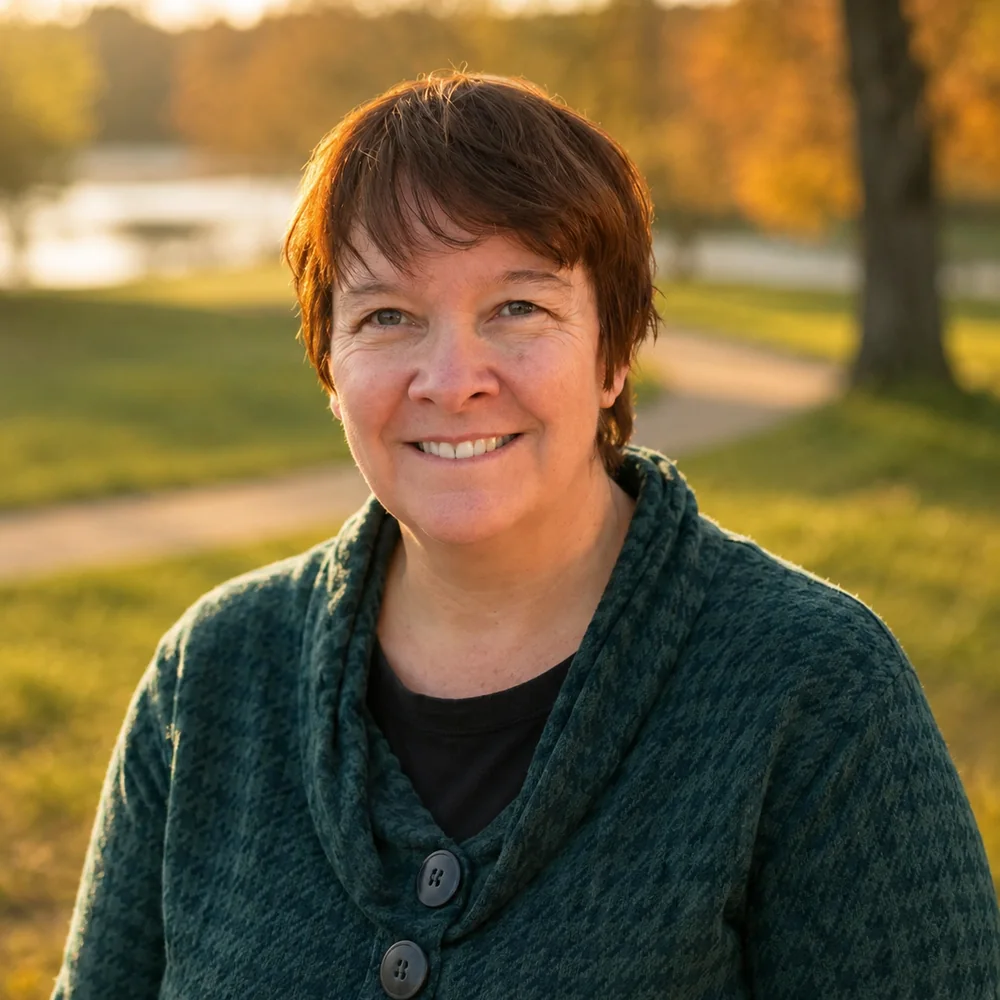
Headshot of Dawna Thomas Dawna Thomas Part-Time Investor, Semi-Retired

★★★★★

The VSL team helped me out a lot, and I was able to buy my first two sober houses with a partner and run them myself. I am grateful for the support. They helped me get financing for the purchase and walked me through the whole process.
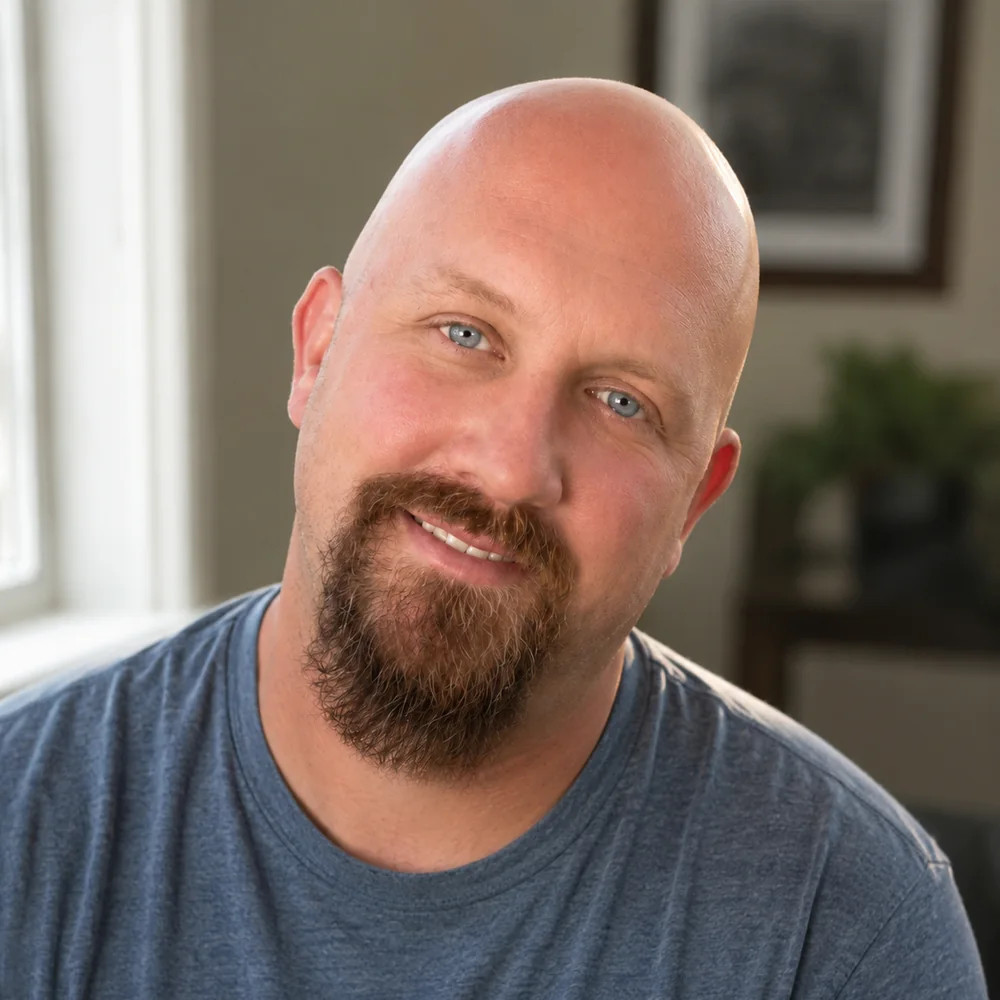
Headshot of Chris Dillon Chris Dillon Owner/Operator, Live Free Sober Homes

Case Studies

Two Deals, Underwritten the Same Way

Both of these are VSL transactions rather than client files. They are here because they show the standard a deal has to clear before we tell you to buy it, and because every number in them is published.

The front of the Mulberry home in Springfield, Massachusetts

Springfield, Massachusetts

A Receivership Sale Turned Into a Ten-Year Lease

  • All-In CostUnder $450K
  • Appraised After Renovation$1.5M+
  • Unleveraged ROI200%+
  • Closed to 80% Full8 months

A 10,000 square foot colonial bought out of a Phoenix House receivership sale, renovated for roughly $50,000 plus $20,000 in furnishings, and leased to Men of Dignity Sober Living on a ten-year term. Acquisition ran on a $400,000 hard money loan at 14%, refinanced at stabilization into $900,000 at 7.5%. The financing sequence in this deal is the one taught in part five.

Read the Mulberry case study
The front of the Union Street home in Taunton, Massachusetts

Taunton, Massachusetts

A Resident Who Became the Leaseholder

  • Purchase Price$450K
  • Appraised Value$1.0M
  • Cash Gain$220K
  • Taxable Gain$0

Bought in September 2022 on twelve-month bridge financing under 10%, improved and carried for about $50,000, then sold to a charity at $720,000 against a $1,000,000 appraisal. The seller took $220,000 in cash, a $280,000 charitable deduction, and no taxable gain. The buyer was a man who had started as a resident in the house and worked up to House Mentor, then operator, then leaseholder.

Read the Union Street case study

Investment

What the Acquisition Desk Costs

$2,500 to start, the same for every buyer. The rest is due at closing, based on the price you actually pay. You do not need to know your purchase price to begin.

Engagement Fee

1% of the purchase price $5,000 minimum

Payment Terms

$2,500 At engagement, the same for every buyer
Balance At closing, and only if it closes. Your $2,500 is credited.

If you never find a property worth buying, the balance is never due and $2,500 is all you spend. We carry that risk with you on purpose, because it keeps us honest about which houses are worth pursuing.

How That Works Out

Everyone starts with $2,500. At $500,000 and under, the total is $5,000. Above $500,000, the total is one percent of the price. Either way, the $2,500 you paid comes off what is due at closing.

Purchase PriceDue at ClosingTotal Fee
$300,000$2,500$5,000 min
$500,000$2,500$5,000
$750,000$5,000$7,500
$1,200,000$9,500$12,000

What the Fee Does Not Cover

The fee covers our work, not the third-party costs of the purchase itself: your down payment, closing costs, and lender fees, the inspection, appraisal, and survey, your own attorney, renovation and furnishing before the house fills, and the entity, insurance, and certification work that lives in Mastery.

The Better Math

Included at No Additional Cost in Mastery

If you are buying a house in order to open a recovery residence, you are going to need everything in the right-hand column anyway. Mastery members get the entire Acquisition Desk at no additional cost.

On Its Own

The Acquisition Desk

$2,500 to start, then 1% at closing ($5,000 minimum)

  • The Real Estate Buyer Course
  • Your written acquisition plan
  • A trained local agent, placed
  • Deal analysis on every property
  • Financing roadmap and loan placement
  • Closing coordination
  • Entity, insurance, and certification work
  • Operating documents, software, and website
  • The VSL brand and the referral network

You end up with the right property.

Recommended

VSL Mastery

The Acquisition Desk included at no additional cost

  • Everything in the Acquisition Desk, all six parts
  • The full Sober Living Academy
  • State Blueprints for your certification and zoning pathway
  • Business entity, required insurance, and the certification roadmap
  • The template library: every policy, agreement, and form
  • Software stack, custom website, and marketing platform
  • The VSL brand and the national referral network
  • Intake call center and launch support through opening day
  • 110+ operators who have already done this
Learn About Mastery

You end up with an operating business.

The Acquisition Desk on its own gets you the property. Mastery gets you the property and the business that runs inside it.

Questions Buyers Ask

No. We do put properties under agreement and sell them, and we’ll show you ours when one fits your buy box, but the Acquisition Desk works on any property, including one your agent finds or one you already own an option on. The fee is the same either way. When the house on the table is one we control, we are a seller in that transaction and we’ll say so in writing before you make an offer.
Then that’s the first piece of work, and it’s a normal place to start. We pull the report with you, separate what is inaccurate from what is simply true, and build a plan with dates. Some files need four months before they are worth taking to a lender. Knowing that on day one is much better than finding out during underwriting with a property under agreement and a deposit at risk.
We’ll work with your agent and train them the same way we would train one we placed. Bring them to the call where we set your buy box. The training exists so that whoever is searching for you knows what a recovery residence needs, and it doesn’t matter to us whose name is on the license.
It depends more on your file and your market than on anything we control, and we will give you a realistic range once we have seen both. The two things that most often stretch the timeline are a credit file that needs repair first and a market with very little inventory in the buy box. Both are visible in the first two weeks, so you’ll have a realistic date early rather than a hopeful one.
We don’t need to. The only payment before closing is
,500, and it is the same for every buyer. The rest is worked out from the purchase price on your closing statement: one percent of the price, $5,000 minimum, with your
,500 credited. You will know the exact closing figure the day your offer is accepted.
Then the $2,500 you started with is all you spend. We don’t collect the balance. Walking away from a bad house is a good outcome, and the analysis that told you to walk is worth more than the deposit it saved. We would rather tell you no four times and yes once than get paid on a house that can’t fill.
No. We are operators and buyers of recovery housing real estate, and what we provide is guidance, analysis, and coordination based on that experience. You should retain your own attorney for the purchase, and your own accountant for the tax treatment. We’ll tell you when a question belongs to one of them, and we work alongside both.
No. All six parts are included in Mastery at no additional cost. Tell your onboarding contact that you are ready to start looking at property and the acquisition work begins.

Next Step

Bring Us the Purchase You Are Trying to Make

The first conversation costs nothing and is worth having even if you decide to do this on your own.

1

Schedule a call and tell us where you are looking and what you have to work with.

2

We give you an honest read on whether now is the right time to buy.

3

If it is, we scope the engagement and start on the plan that week.

Schedule an Acquisition Call

Or ask about Mastery, where all six parts are included.

About our role. Vanderburgh Sober Living and its affiliates buy, hold, and sell real estate for their own account, and may offer you a property we own or control. In those transactions we are a principal on the other side of the table, not your agent and not your fiduciary, and we will disclose that in writing before you make an offer. You should retain your own licensed real estate agent, attorney, and accountant.

About this service. The Acquisition Desk provides education, analysis, and transaction coordination. It is not legal, tax, accounting, or investment advice, and it is not a commitment to lend or a guarantee of financing approval. Loan placement is made through third-party lenders who make their own credit decisions. Deal analysis is based on assumptions we will show you, and actual occupancy, revenue, renovation cost, and financing terms will differ. Fees are as described above and are set out in the engagement agreement, which governs.