Sober living homes for sale trade differently from ordinary listings. The price rides on the income the property produces as recovery housing, not on the building alone, and sometimes an operating business comes with it.
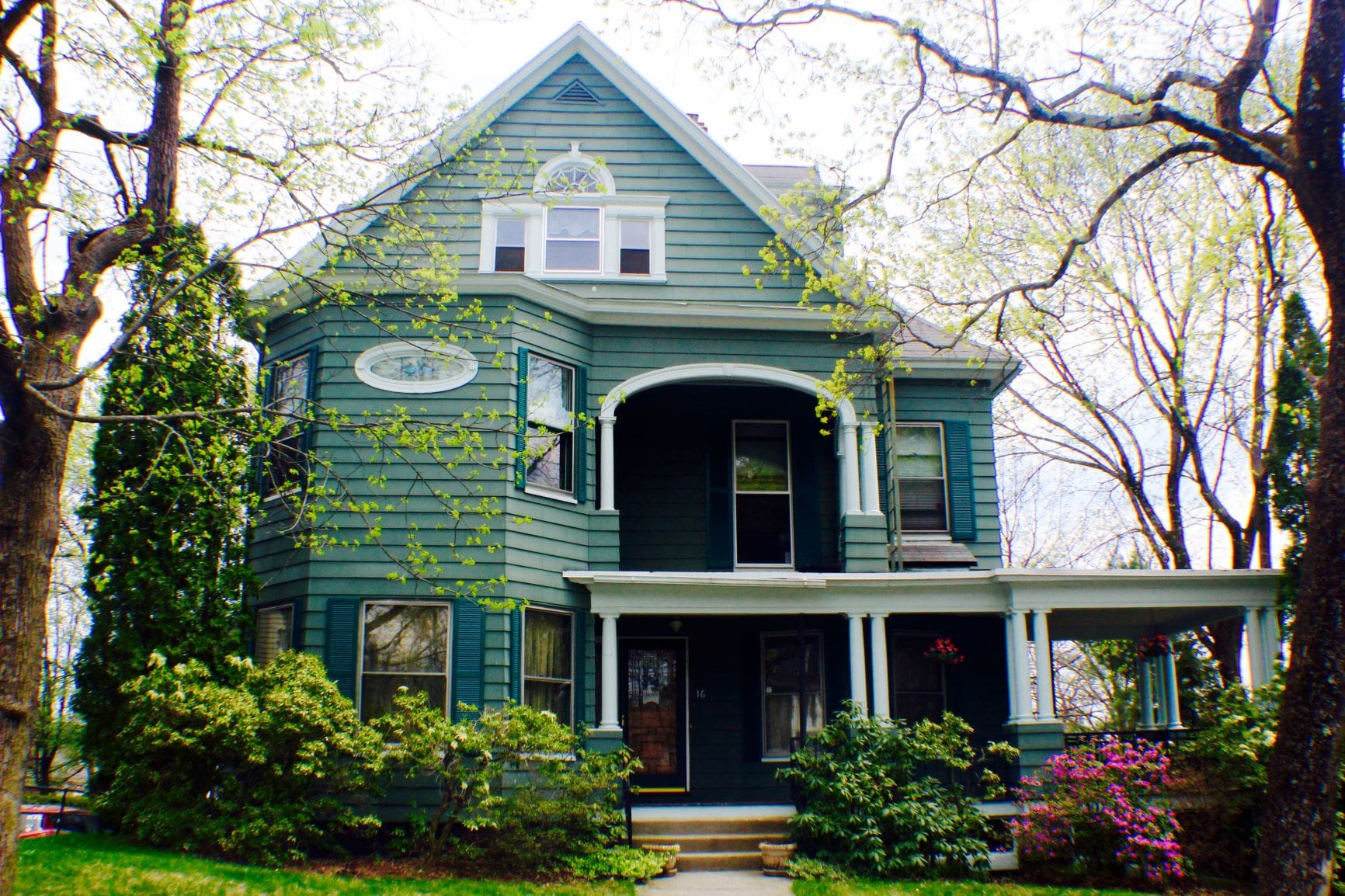
Standard residential property, usually single-family or small multifamily, operating as a structured sober living home. Sober living homes earn on a per-bed basis, so one house produces several income streams rather than a single unit rent, which supports strong revenue relative to what the building costs to acquire.
Once you own it, you choose one of two ways to run it.
Manage the property and the residents yourself. You control operations, set the house standards, and run the recovery community day to day. This suits buyers who want full involvement and maximum control.
Learn about becoming an operatorBuy the property and lease it to an experienced recovery housing operator who manages residents and day to day operations. You collect rent without carrying the program.
Lease to an operatorRecovery housing real estate serves buyers with very different goals, and the right structure depends on which one you are.
Looking for yield and an alternative asset class with stable, recurring demand, without the volatility of short-term rentals.
Buying a home they intend to run themselves, building a mission-driven business they control rather than a passive holding.
Wanting a return that comes with measurable social impact in their own community, where the financial case and the human case point the same way.
None of these is a strict cutoff on its own. Taken together they decide whether the operating math works, and they are what we check first on any property.
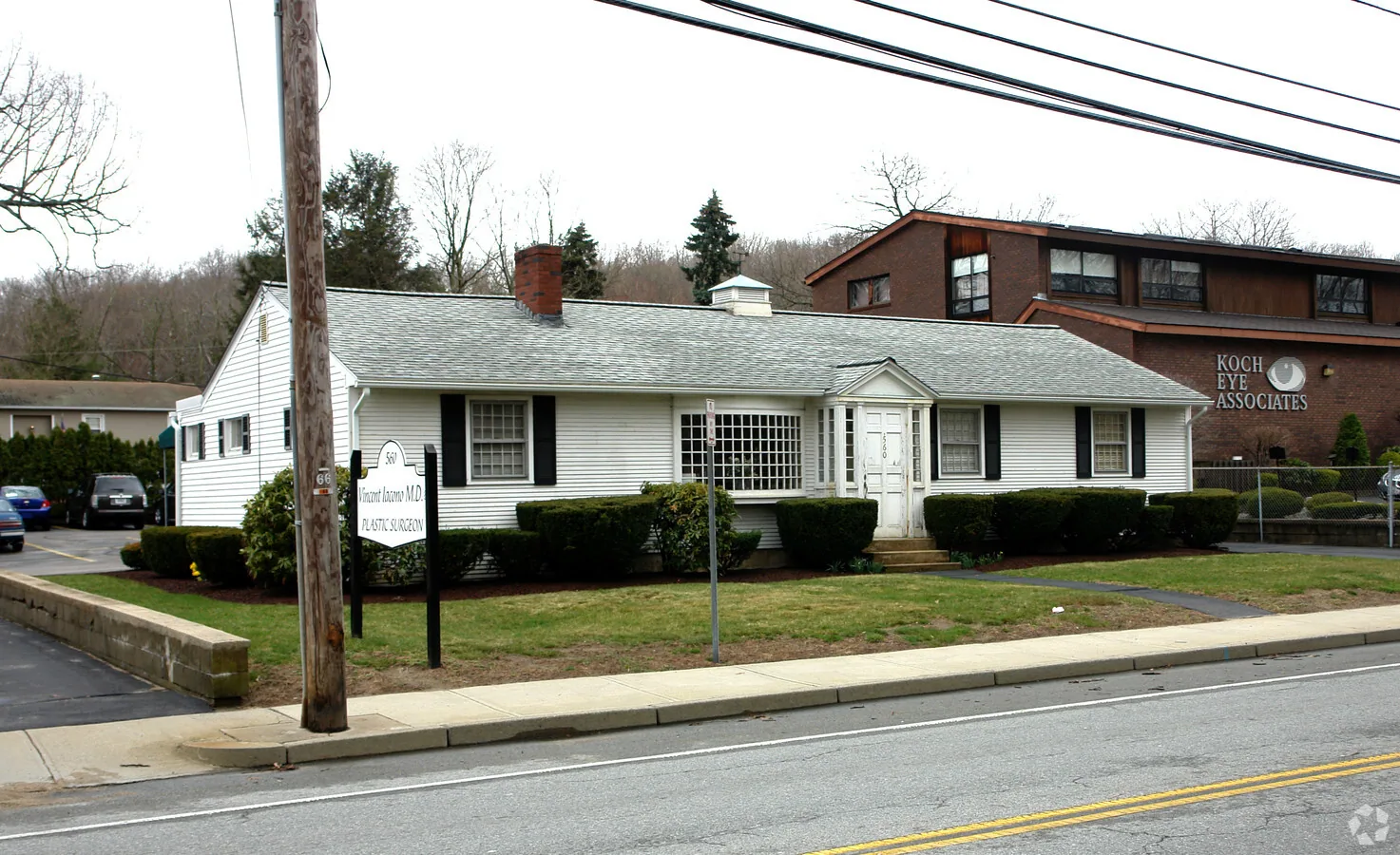
Large homes, roughly 2,800 to 6,000 or more square feet. Small buildings rarely support shared living at a workable cost per bed.
Enough bedrooms and bathrooms for shared living. A plan that sleeps more beds is worth more, because bed count is what the revenue is built on.
Walkable, near jobs, transit and services. Residents hold jobs and get to meetings, and a home cut off from both is hard to keep full.
The main financial driver. A low cost per square foot is usually what separates a deal that pencils from one that does not.
Flexible. Move-in ready and value-add both work, and a property in poor shape is not disqualified if the numbers carry the work.
Helpful, not decisive. One or two on-site spaces make life easier but are not required.
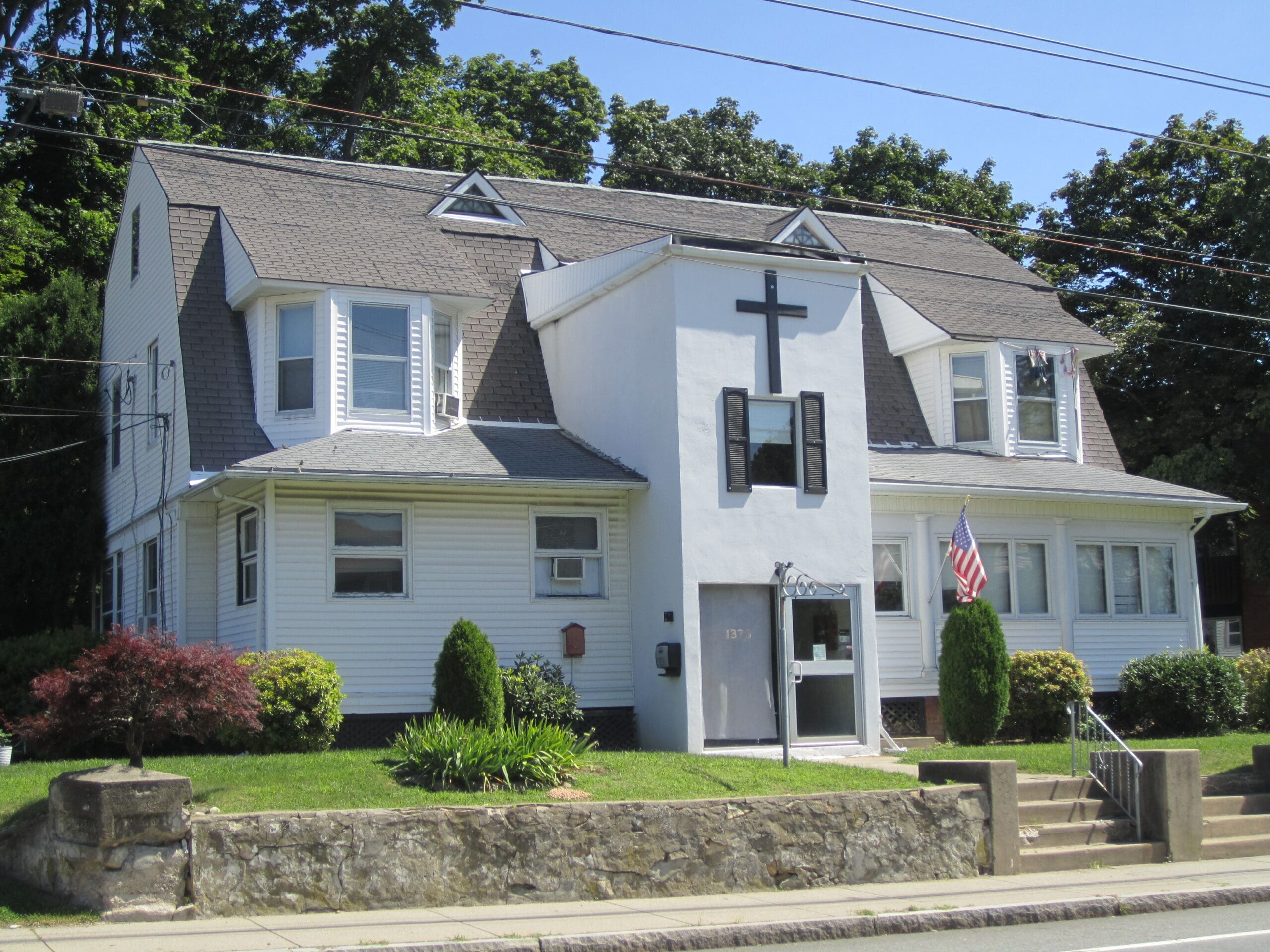
Established, cash-flowing properties with active operations and an existing resident base. Income from day one of ownership, and a track record you can underwrite against.
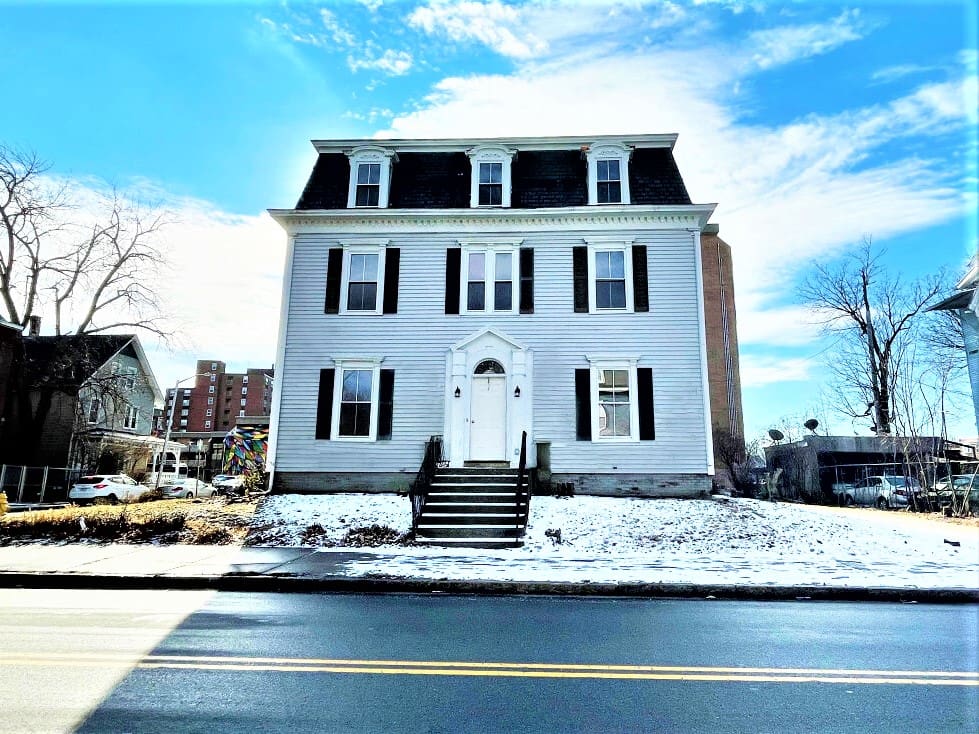
Existing homes with upside through operational improvement, physical upgrades, or repositioning within the local recovery housing market.
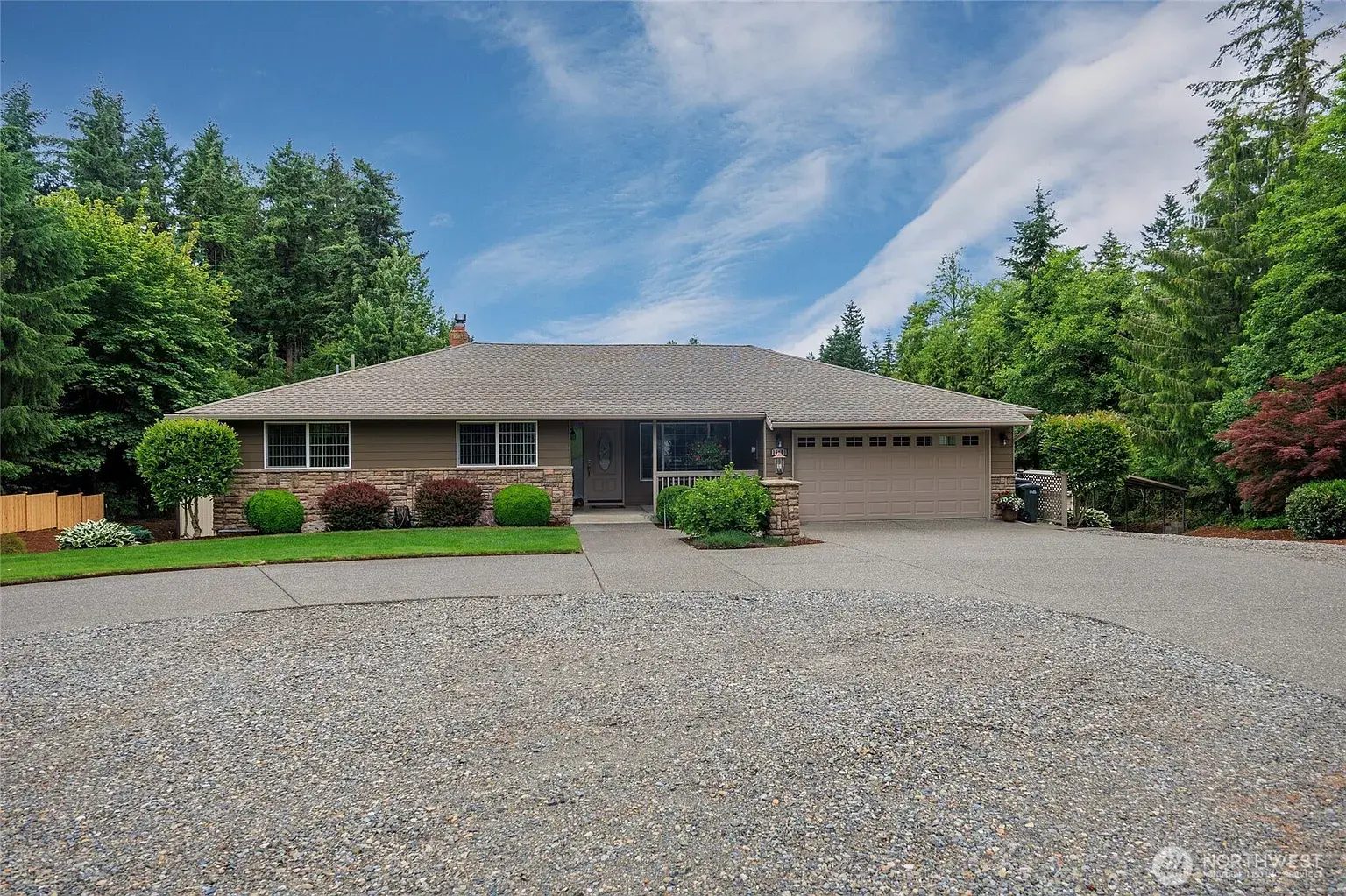
Vacant or underused residential property suited to recovery housing. The longest horizon of the three, and usually the lowest basis.
Complete a short buyer verification form to join the list and set out your acquisition criteria.
Join the Buyer ListGet access to active and off-market properties that match your goals and criteria.
View ListingsWork through the financials, property details and operating structure to test viability and projected returns.
Run the NumbersLine up financing if you need it, structured around recovery housing rather than a standard residential deal.
Submit and negotiate on structure, price and terms that fit what you are trying to achieve.
Close the transaction and move into ownership with the plan for operating or leasing already settled.
Recovery homes are priced on the income they produce, not on what the neighbors sold for. Two houses of the same size in the same town can price very differently depending on how many beds the layout supports and what a bed rents for locally. A well-run recovery home can be worth considerably more than the same house sold as an ordinary single-family residence.
That is why the first real question on any property is not what it is listed at, but what it would earn once it is full.
Put an address and a square footage in and see the bed count, the rent per bed in that neighborhood, and what the home could bring in each month.
Run the Numbers
A developer acquired the Union Street property in September 2022 for $450,000 and put roughly $50,000 into improvements and carrying costs, for a total basis near $500,000. By 2024 the home appraised at $1,000,000. It was sold to a charitable real estate trust for $720,000, a bargain sale that realized a $220,000 cash gain and created a $280,000 charitable deduction.
The deduction fully offset the gain, so the seller kept the cash and the home stayed in recovery housing. Bridge financing on the deal carried a rate under 10 percent.
Read the Full Union Street Case StudyFinancing recovery housing takes an understanding of both traditional lending and the specialized options. Three routes cover almost every purchase, and the right one depends on the property, your experience, and how the income is structured.
Traditional bank loans priced on your income, credit and the property fundamentals. Best suited to stabilized homes and experienced borrowers.
Qualifies on the property’s cash flow rather than your personal income. Common for investors adding income-producing homes at scale.
Flexible capital from private lenders or partners, used where a deal needs speed or a creative structure.
Recovery housing is an emerging real estate class driven by sustained demand and limited supply. These properties combine income potential with impact in a way few assets do.
The financial case and the human case point the same way. The home performs because it is well run, and a well-run home is the one that changes what happens to the people living in it.
The need for structured recovery housing is steady across most markets, and in many of them demand runs well ahead of the beds available. That is what keeps occupancy predictable.
Recovery residences are generally protected under the Fair Housing Act and the ADA, which limits how a city can treat one differently from other family use of a house. Local rules still vary.
A per-bed model can outperform a traditional rental when the home is well run, because one property carries several income streams instead of a single tenancy. One vacancy does not empty it.
Many sober living properties are never publicly marketed. Owners expect discretion, because of the nature of the business, the residents and the operation, so access is limited to qualified buyers.
The buyer verification form lets us confirm the basics and keep that confidentiality intact. Once you are verified you see a curated pipeline of recovery housing opportunities, including off-market listings across the United States. Verification is free and usually reviewed within one to two business days.
Most sober living homes for sale are off-market. Verified buyers on the VSL list see active and off-market recovery housing listings across 12 states, with the income already modeled, before those properties reach the open market. You can also browse the current for-sale inventory directly.
It depends on the market and the bed count, because these properties are priced on the income they produce, not on neighborhood comps. A larger home in a strong rental market supports a higher price than its square footage alone would suggest. Run the numbers on a specific address for a real figure.
No. You can run the recovery home yourself and control day-to-day operations, or lease it to an experienced operator and collect rent without managing residents. Many investors buy the real estate and lease it out, which keeps the income passive while the operator handles the program side.
Sober living homes earn on a per-bed basis rather than a single unit rent, so one house can produce several income streams. Gross revenue depends on bed count, occupancy, and what residents pay per bed in that market, which is why layout and location matter as much as size.
Yes. Buyers commonly use conventional loans, DSCR loans that qualify on the property’s cash flow instead of personal income, and private financing for faster or more complex deals. The right option depends on the property, your experience, and how the income is structured.
