
Selling a sober living home is not a normal real estate sale. The buyers who pay the most are the ones who price the income the house produces, and reaching them takes a different process.
Network
200+
homes in our operator network
Reach
12
states with active listings
Volume
$50M+
in transactions supported
Experience
10+
years in recovery housing
A recovery home is priced on what it earns, not on what the house next door sold for. The value comes from the per-bed income the property produces under a working operation, so a stabilized home with steady occupancy can be worth well more than the same building appraised as an ordinary single-family sale.
That is why the buyer matters as much as the price. You want a buyer who reads the rent roll and prices the income. A buyer shopping on comps will talk you down.
Most owners reach this point after years of work that never shows up on a balance sheet. The house runs, the beds stay full, and people have built their lives around it.
Two things have to come out of this. Full value for what you built, and a home that keeps running afterward. Whether you are stepping back from operations, changing focus, or moving part of a portfolio, the next chapter deserves the same care as the first one.
Talk Through Your Options
A serious buyer evaluates the business as much as the building. Having these answers ready is most of what separates a clean sale from a stalled one. It is the first thing we help you put together.
Start a ConversationWhat the home has earned month by month, and how full it has run across the past year or two.
Whether the home is owner-operated or leased to an operator, and the terms that structure runs on.
The real cost of running the home month to month, including utilities, staffing and upkeep.
The state of the building, recent capital work, and anything that has been deferred to a later owner.
How the home is run and staffed, and what a new owner would need to keep in place on day one.
| Approach | What it means | Who it suits |
|---|---|---|
| Operator in place | Sold as a going concern, with the lease and the running operation intact. | Buyers who want income from day one and a home with a track record. |
| Delivered vacant | Sold as real estate for the buyer to operate or re-tenant themselves. | Owner-operators who want to run it their own way, or buyers repositioning the home. |
| Lease it out instead | You keep the building and its appreciation, and a vetted operator pays you rent. See lease out your property. | Owners who want out of operations but not out of the asset. |
The engagement and its cost are set with you at the start, based on the property, the operation, and how much of the sale you want us to carry.
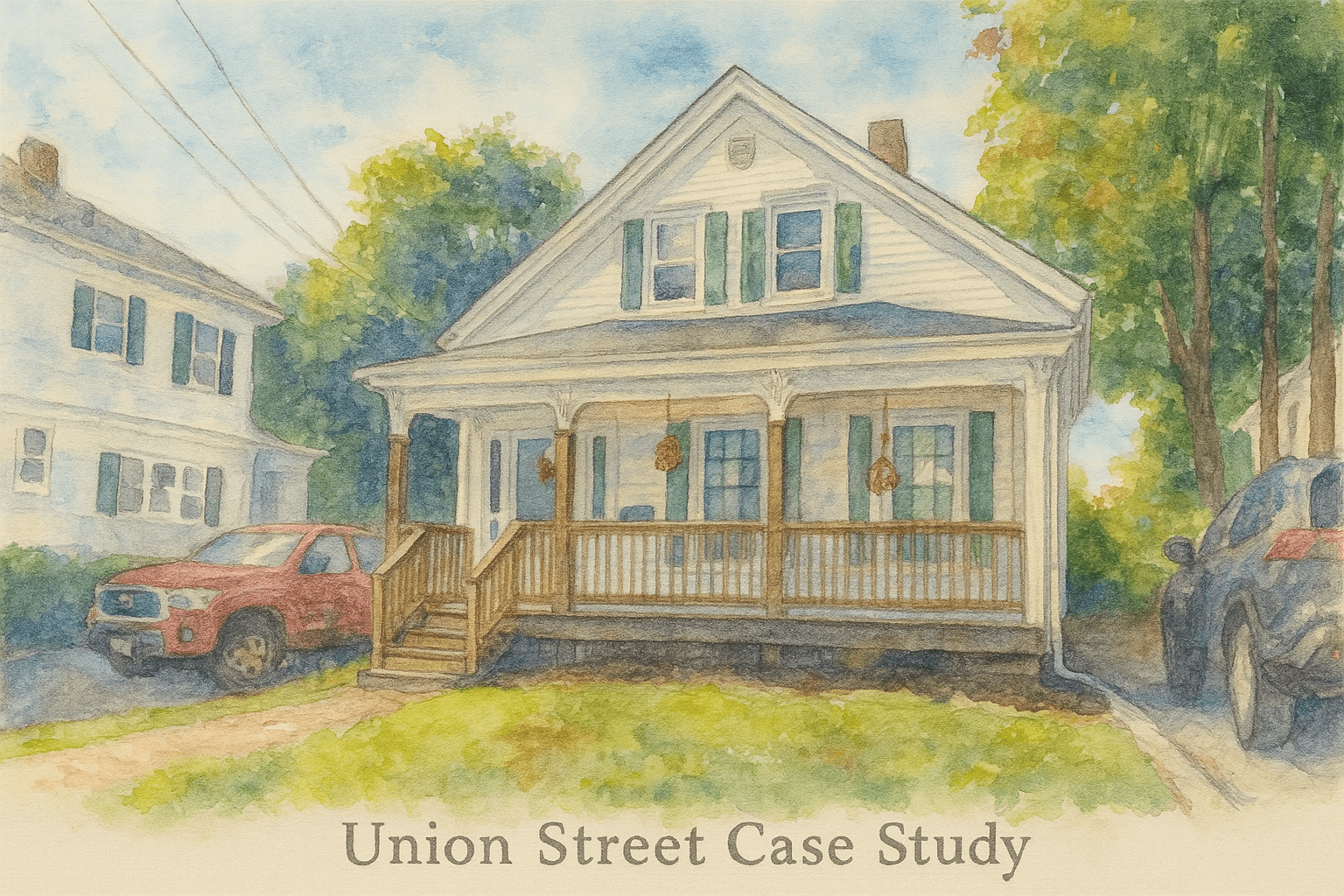
A developer acquired the Union Street property in September 2022 for $450,000 and put roughly $50,000 into improvements and carrying costs, for a total basis near $500,000. By 2024 the home appraised at $1,000,000. It was sold to a charitable real estate trust for $720,000, a bargain sale that realized a $220,000 cash gain and created a $280,000 charitable deduction.
The deduction fully offset the gain, so the seller kept the cash and the home stayed in recovery housing. Structure like this is not right for every sale, but it is the kind of option worth knowing about before you list.
Read the Full Union Street Case StudyStart with a conversation about what you want out of the sale and when you want it done.
Start a ConversationWe value the home on the income it produces and build the plan for how it goes to market.
Run the NumbersYour home is presented to qualified buyers already working in the recovery housing network.
See Current ListingsWe help you compare what comes in and negotiate the terms, which matter as much as the headline price.
You close with a clear handoff of the operation to the next owner or operator.
Most of the timeline is buyer diligence. The operating picture you prepared at the start is what keeps it moving.
Explore Real Estate
We have operated, leased and transacted recovery housing for more than a decade, so the questions a buyer asks are the ones we have already answered many times over.
Meet the Team
Our buyer list is made up of people actively looking for recovery housing in more than thirty states, including operators expanding into a second or third home.
See Current Listings
We would rather place a working home with an owner who will keep it running than close a sale that takes the beds out of service in the community.
Explore Real EstateTell us about the home and we will come back to you with what it could bring and how the sale would work. Nothing is committed, and you can stop at any point.
Send us the basics on the home and we will take it from there.
Start a ConversationA sober living home is valued on the income it produces, not on neighborhood comps. A stabilized home with steady occupancy and a sound operating structure can be worth well more than the same building priced as an ordinary single-family sale, because the buyer is paying for the rent roll the property supports.
Yes, and it often helps. A home that is occupied and running shows real income and stability, which is exactly what an income-focused buyer wants to see. Many owners begin the conversation while the home is still full rather than winding it down first.
No. You can sell with the operator and lease in place as a going concern, or deliver the home vacant for the buyer to operate or re-tenant. Which one nets more depends on the strength of the current operation and who the likely buyer is.
Buyers focused on recovery housing: investors adding an income property, owner-operators expanding to a second or third home, and people entering the space who want a stabilized home rather than a startup. They evaluate the operation, so they understand what the property is worth.
If the property is operating as a sober living home today, or could continue as one under a new owner, it is usually a fit. We look at the location, how the home is running, and whether it matches what buyers in that market are currently looking for.
Yes. We work with owners selling a single home and with owners moving several homes or an entire portfolio at once. A portfolio is usually structured differently from a single sale, which is worth talking through early.
We review what you send, then set up a call to talk through what you want out of the sale and what the home is likely to bring. You get a picture of your options before you commit to selling, and you are free to stop there.
The engagement and its cost are set with you at the outset, based on the property, the operation, and how much of the sale you want handled. There is no guaranteed sale price or timeline, and any partner who promises one is guessing at your market.
