

Yes, Meetings Are That Important
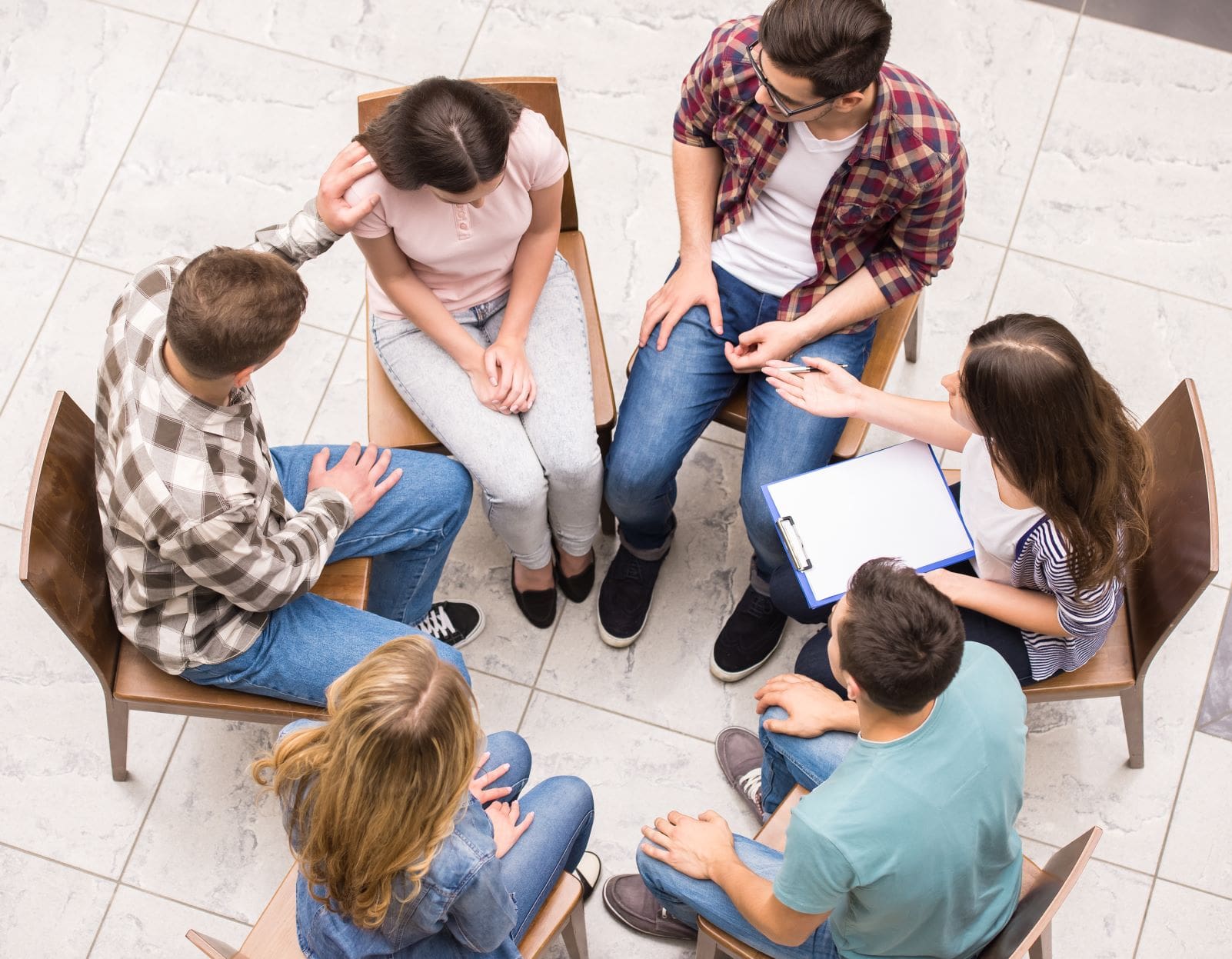
When you are facing a particularly difficult time in your life, whether it’s because you’re struggling with addiction, or perhaps because someone you love is an addict, or if you are finding life hard because you have just been diagnosed with a serious illness, or if you don’t have many friends to turn to because you are socially isolated, there is an easy way that you can quickly fill your life with kind and caring people who will help you on your journey.
Go to a meeting!
Join a support group. Go to a meeting. Connect with others in the same position and dealing with the same struggles.
What is a support group? What’s a meeting? It can be a formal or informal group of people who get together on a regular basis to share certain aspects of their lives with others and to offer each other emotional support.
A.A.
The most well-known support group is Alcoholics Anonymous (A.A.), followed by N.A., and Al Anon. Alcoholics Anonymous started in about 1935 in Akron, Ohio, when two alcoholics found that talking to each other about their drinking and following a simple program helped keep them both sober. Since then, A.A. has spread throughout the world and millions of alcoholics have learned to stay sober by helping each other.
Because of the success of A.A. and many other organizations, most sober houses require residents attend regular meetings both outside and inside the home. While most sober houses don’t require a specific type of meeting or support group, most sober living environments do require residents engage in outside social support meetings. The A.A. model has been adopted by people dealing with addiction problems other than alcohol, so today there are support groups that deal with addictions to narcotics, cocaine, food, and many other substances and activities.
How important are meetings?
Meetings are often credited as the second most important factor in maintaining sobriety (a safe and supportive home is number one). Meetings are an opportunity to share struggles and challenges with others. Meetings are an opportunity to connect and bond in an open and productive setting. Meetings are an opportunity to practice vulnerability and courage. Meetings are an opportunity to rebuild healthy relationships.
Meetings are important, that’s why at Vanderburgh House, we ask our residents use meetings as a powerful tool in their toolbox and support in their recovery journey. Look at our article on house rules to see what other structure is in place to support our residents’ recovery goals.
Leave a Reply
You must be logged in to post a comment.