Introducing Ariel Ramirez: Championing Women’s Recovery in Pittsfield, MA
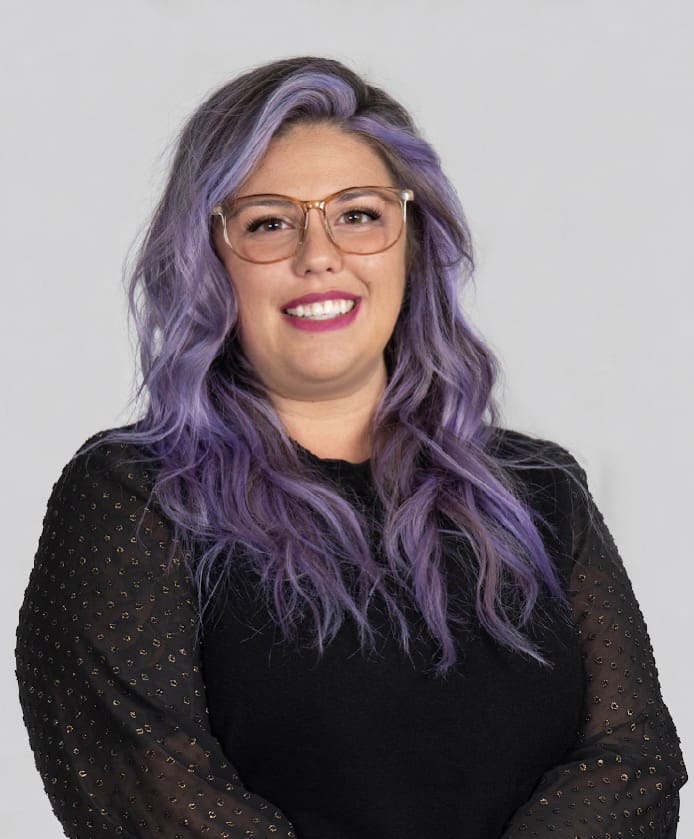
Ariel Ramirez is proud to open the doors of the No Matter What Recovery Home, Pittsfield’s only women’s sober living home, offering hope, structure, and support to women on their recovery journey.
Located in the heart of Downtown Pittsfield, this home is more than just a place to stay. It’s a true community built on compassion, accountability, and resilience. Ariel joins Vanderburgh Sober Living as a Chartered Operator with an inspiring vision for women’s recovery housing in Berkshire County.
Meet Ariel Ramirez: Social Worker, Community Leader, and Recovery Advocate
With a Master’s degree in Social Work from Rutgers University and years of front-line experience in addiction recovery, Ariel brings deep clinical expertise and a heart for service to her work.
Her passion for recovery housing is personal and professional. She previously served as a clinical supervisor at a men’s halfway house in Pittsfield and most recently worked as a co-responder with the Pittsfield Police Department, where she provided crisis intervention and trauma-informed support to individuals in need.
“The name No Matter What Recovery reflects the principle that healing is possible as long as you just don’t pick up, no matter what,” Ariel explains. “Early recovery can be messy. This house is a place where women can make life’s inevitable mistakes in a supportive environment and learn to grow through them.”
No Matter What Recovery Home: A Women’s Sober Living Home in Pittsfield
As Pittsfield’s only sober living home for women, No Matter What Recovery Home offers a rare and much-needed opportunity for women in early recovery to build a stable foundation.
This home provides:
- A safe, drug- and alcohol-free living environment
- Peer support and structure rooted in the 12-step recovery model
- A home-like atmosphere designed for resilience, reflection, and renewal
- Leadership from a qualified and compassionate operator
Update on this home No Matter What Sober House Is Now Split“It’s not just about creating a place to stay,” Ariel shares. “It’s about creating a place that feels like home.”
About Vanderburgh Sober Living
Vanderburgh Sober Living exists to build peer-supported, recovery-focused communities that guide individuals toward lasting sobriety. Every MASH Certified home is led by a trained house mentor and follows structured rules that promote accountability, growth, and healing.
Most of our homes are operated by independent, self-employed owners/operators (like Ariel) who bring their passion and expertise to local communities. Through our Charter Program, Vanderburgh Sober Living provides a platform for individuals to start and operate their own sober homes with full operational, branding, and community support.
Interested in opening your own recovery home? Learn more about becoming a Chartered Operator.
Frequently Asked Questions About Women’s Sober Living in Pittsfield, MA
What is a women’s sober living home?
A women’s sober living home is a drug- and alcohol-free residence where women in recovery live together and support one another. Residents share household responsibilities, follow clear house rules, and build accountability with peers. A women-only home offers a stable, home-like place to grow through early recovery alongside others with shared experience.
What does MASH certification mean for a sober home in Massachusetts?
MASH, the Massachusetts Alliance for Sober Housing, is a NARR affiliate that has managed voluntary statewide sober home certification since 2016. Certified homes follow standards covering safety, recovery support, and fair operations. Under Massachusetts law, state agencies and their vendors may refer people only to certified alcohol and drug free housing.
Do residents of sober living homes attend 12-step meetings?
Many do. No Matter What Recovery Home roots its peer support and structure in the 12-step recovery model. A study of sober living house residents found that involvement in 12-step groups predicted fewer arrests and lower alcohol and drug use, alongside the social support that comes from living with peers in recovery.
Does research show that sober living helps people stay in recovery?
Yes. A 2010 study that followed 245 sober living house residents found improvements in alcohol and drug use, employment, psychiatric symptoms, and arrests over 18 months. Having fewer people who use substances in a resident’s social network predicted better outcomes, which is the kind of support a recovery home is built to provide.
How can someone open a sober living home like Ariel Ramirez did?
Ariel Ramirez joined Vanderburgh Sober Living as a Chartered Operator, so she owns and runs her home while drawing on the network’s brand, operating standards, and startup and certification support. Anyone interested in opening a recovery home can start by learning about the Charter Program and the hands-on Mastery Program.
Find Sober Living Homes in Massachusetts and Beyond
Whether you’re in Berkshire County or beyond, the Sober House Directory is your go-to resource for finding structured, peer-led sober living options nationwide. With up-to-date listings, detailed photos, and direct contact information, it’s never been easier to find the right home for your recovery.
Start your sober house
Pick the path that fits where you are in the process.
Download the free guidePath to Purposeful Recovery Housing, by Dr. Hunter T. Foote.Explore the Mastery ProgramHands-on startup, certification, and operating support.See how starting with VSL worksThe opportunity, the community, and what a Charter includes.
Prefer to talk now? Call (844) 762-3747, weekdays 8a to 5p.
Research & Sources
- Foote, H. T. (2026). Vanderburgh Sober Living Operating Climate Index, 2026 edition. Vanderburgh Sober Living. https://www.vanderburghhouse.com/research/operating-climate-index-2026/
- Massachusetts Alliance for Sober Housing. (n.d.). About us. https://mashsoberhousing.org/about-us/
- Massachusetts General Court. (n.d.). General Laws, Part I, Title II, Chapter 17, Section 18A: Voluntary training and accreditation program for operators of alcohol and drug free housing. https://malegislature.gov/Laws/GeneralLaws/PartI/TitleII/Chapter17/Section18A
- Polcin, D. L., Korcha, R. A., Bond, J., & Galloway, G. (2010). Sober living houses for alcohol and drug dependence: 18-month outcomes. Journal of Substance Abuse Treatment, 38(4), 356–365. https://doi.org/10.1016/j.jsat.2010.02.003
- Substance Abuse and Mental Health Services Administration. (2023). Best practices for recovery housing (Publication No. PEP23-10-00-002). https://library.samhsa.gov/product/best-practices-recovery-housing/pep23-10-00-002