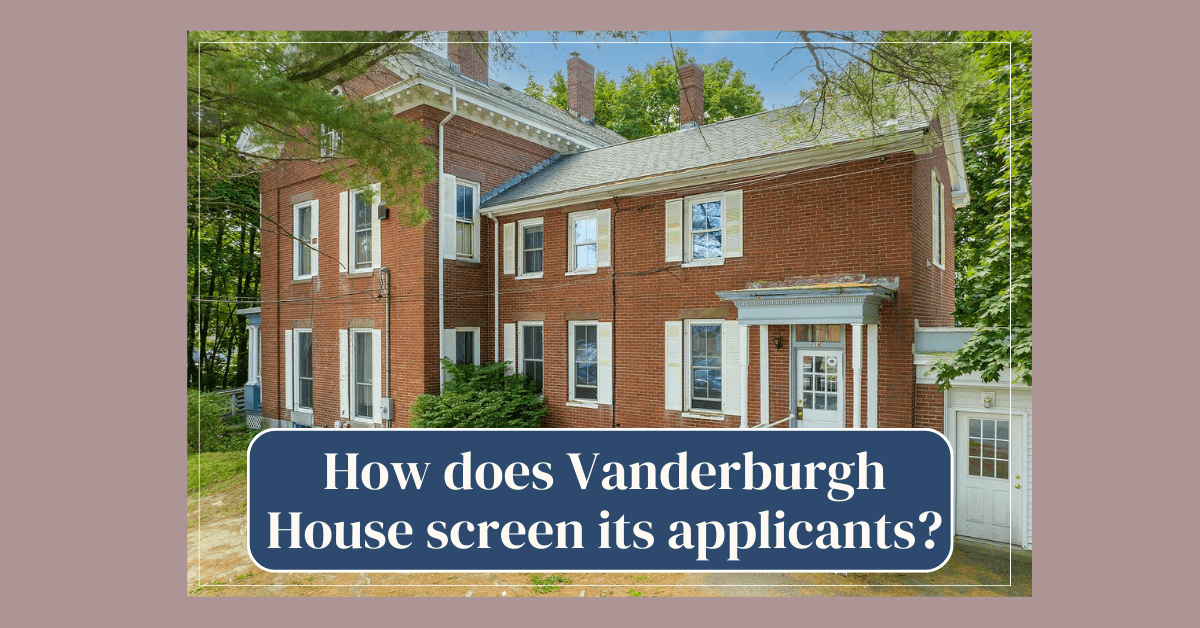
How the VSL Guest Application Screening Process Works
At Vanderburgh Sober Living, our mission is to help create recovery-focused communities that support individuals recovering from drug or alcohol addiction. In collaboration with the National Alliance for Recovery Residences (NARR), we ensure our homes meet the highest standards, offering a supportive environment for both our guests and the surrounding neighborhoods.
Our primary goal is to assist guests in maintaining sobriety and building a strong foundation for an independent, healthy life. Through our rigorous screening process, we work to match applicants with homes that fit their recovery journey. This process includes a comprehensive assessment of recovery status, sober date, and substance history, helping ensure compatibility with our sober living communities.
- ✓Conventional, portfolio, and seller financing compared
- ✓When leasing beats buying
- ✓Where grant and settlement money does not apply
Recovery History and Goals: The First Thing We Review
The first and most important part of the application review focuses on the applicant’s recovery history. This helps us ensure that potential guests are a good fit for our recovery communities and that we can support them effectively. During the application process, we ask applicants about:
- Their recovery journey: Where they are in their recovery, including their sober date and experiences in maintaining sobriety.
- Recovery support structure: Information about their support system, such as recovery meetings, sponsors, or mentors.
- Recovery goals: Their short- and long-term objectives for recovery and how they plan to achieve them.
This helps us determine how best we can support each individual while ensuring they are committed to a recovery-focused lifestyle.
Asking about recovery history is standard practice across the field. SAMHSA’s Best Practices for Recovery Housing (2023) describes an application and interview process in which both the applicant and the home decide whether moving in is the right fit. Research also supports paying attention to sober time: in a study of 49 California sober living houses, Mericle and colleagues (2019) found that requiring incoming residents to be sober for at least 30 days before entry was related to improved outcomes.
Keep reading House Rules in Sober Houses The rules that keep a recovery home safe, structured, and worth living in. →Can You Live in Sober Living With a Criminal Record or on Probation?
Yes, in most cases. We recognize that many of our applicants may have had experience with the criminal justice system and we serve many guests who are currently on probation or parole. We have strong relationships with probation and parole departments and gladly accept referrals from most branches of the criminal justice system. Here’s our perspective:
- Criminal Record Inquiry: We ask each applicant for description of their history with the criminal justice system, if applicable.
- Details on Convictions: Applicants must provide information on the nature of any convictions, including the type of offense and any relevant details.
- Violent Crimes: Applicants with violent criminal histories are assessed on a case-by-case basis.
- Non-Negotiable Offenses: Applicants with convictions for sex offenses or arson are not accepted under any circumstances, as these offenses conflict with our mission of providing a supportive recovery environment.
- Probation/Parole Information: We ask for details about the applicant’s probation or parole officer, if applicable. Applicants are required to provide the officer’s name and contact information (phone number and email address), allowing us to collaborate with them to ensure the applicant remains in compliance with the terms of their probation or parole.
Our approach ensures that both the prospective guest and our team are aligned in supporting a recovery focused environment and helping the guest in maintaining compliance with the terms of their probation or parole, fostering accountability throughout their stay.
Vanderburgh Sober Living does not accept applicants with sex offense or arson convictions under any circumstances. Applicants with violent criminal histories are reviewed case by case, so share the full details of any conviction on your application.
Medical Background, Medications, and Health Insurance
To support each guest’s recovery journey, we gather relevant medical background information, which includes:
- Health Insurance: While we do not accept insurance for rent payments, knowing if an applicant has health coverage helps us understand their access to medical care.
- Medication: If the applicant is taking prescribed medications, we collect details to ensure they can safely manage their health in a communal living setting.
- Treatment Programs: Information about ongoing or previous treatment programs is gathered, including case worker contact details and program specifics, ensuring continuity in care.
Medication questions deserve special care. SAMHSA recommends that recovery homes place no barriers on prescribed medications, including buprenorphine, methadone, and naltrexone for opioid and alcohol use disorders. The U.S. Department of Justice has also stated that prescribed medication for opioid use disorder is not an illegal use of drugs under the Americans with Disabilities Act. A written MAT policy for a sober living home helps applicants know before they apply how medications are stored and handled in a shared house.
How Rent and Financial Stability Are Reviewed
At Vanderburgh Sober Living, we understand that financial stability is often an area of growth for many individuals in early recovery. Our goal is to gain a deeper understanding of each applicant’s financial situation rather than just verifying their ability to pay rent.
Many of our guests pay rent through employment income, but others may rely on support from family or friends as they continue to build financial independence. Additionally, we offer scholarships and other forms of financial assistance to those who qualify, helping ensure that finances don’t become a barrier to a successful recovery.
By assessing an applicant’s financial situation in a holistic way, we aim to provide the necessary support as they work towards long-term stability.
Frequently Asked Questions About Applying to Vanderburgh Sober Living
Does Vanderburgh Sober Living accept people on probation or parole?
Yes. Vanderburgh Sober Living serves many guests on probation or parole and accepts referrals from most branches of the criminal justice system. Applicants share their officer’s name, phone number, and email address so the home can work with the officer and help the guest stay in compliance.
Which convictions disqualify an applicant?
Convictions for sex offenses or arson disqualify an applicant under any circumstances. Applicants with violent criminal histories are not automatically turned away; each is assessed case by case. Every applicant is asked to describe any history with the criminal justice system and the nature of any convictions.
Does Vanderburgh Sober Living accept health insurance for rent?
No. Health insurance is not accepted for rent payments. The application still asks whether you have health coverage because it shows the team what access you have to medical care, along with any prescribed medications and current or past treatment programs.
Do I need a job to be accepted into a VSL home?
No. Many guests pay rent through employment income, but others rely on support from family or friends while they build financial independence. Vanderburgh Sober Living also offers scholarships and other financial assistance to applicants who qualify, so money alone does not have to block admission.
Will a sober living home run a background check?
Practices differ from home to home. Some run formal background checks, while others ask applicants to describe their history and then speak with probation or parole officers. Disclosing your history up front is the fastest way to a clear answer.
What happens after I submit a sober living application?
Most homes follow up with a phone or in-person interview so both sides can ask questions and decide on fit. Have your sober date, medication list, and any officer or case manager contact details ready to speed things up.
What recovery information does the application ask for?
The application asks about your recovery journey, including your sober date and experience staying sober, your support system such as meetings, sponsors, or mentors, and your short- and long-term recovery goals. This helps the team match you with a home that fits where you are in recovery.
If you have any more specific questions about our acceptance criteria, click here for more information. Vanderburgh Sober Living is committed to providing a supportive environment for individuals in recovery from drug or alcohol addiction. However, we are also committed to ensuring that our homes coexist within their communities. By carefully screening applicants, we are taking steps to provide a supportive and effective recovery home environment for our guests, as well as function within our houses’ many communities.
Apply to live in a VSL recovery home today!
Take the next step
Apply, browse homes, or search the national directory.
Apply onlineGet a call back within 24 hours.View VSL homesSee Chartered recovery homes and find the right fit.Search the national directoryCertified sober houses anywhere in the US.
Or call (844) 762-3747, weekdays 8a to 5p.
Research & Sources
- Mericle, A. A., Mahoney, E., Korcha, R., Delucchi, K., & Polcin, D. L. (2019). Sober living house characteristics: A multilevel analyses of factors associated with improved outcomes. Journal of Substance Abuse Treatment, 98, 28–38. https://pmc.ncbi.nlm.nih.gov/articles/PMC6605057/
- Substance Abuse and Mental Health Services Administration. (2023). Best practices for recovery housing (Publication No. PEP23-10-00-002). https://library.samhsa.gov/product/best-practices-recovery-housing/pep23-10-00-002
- U.S. Department of Justice, Civil Rights Division. (2022). The ADA and opioid use disorder: Combating discrimination against people in treatment or recovery. https://www.ada.gov/resources/opioid-use-disorder/