A Journey From Struggle to Strength
For Michael Schnopps, the path to recovery was far from linear. “I struggled for 15 years in active addiction, with some days not knowing if I’d ever get sober. I tried many times but without much luck. During this time, I died many times, sometimes hoping I would, but today I get to live, and I am ever so grateful for that,” Michael reflects.
His story of perseverance and transformation is now an inspiration for countless individuals seeking recovery in Portland and South Portland, Maine. Today, Michael is a dedicated operator of Vanderburgh Sober Living homes, helping others find the structure, community, and hope they need to rebuild their lives.
Finding Home at Vanderburgh Sober Living
“I was fearful that I would return to old behaviors… I had to take it minute by minute, I had to take every suggestion that was offered to me, I had to do everything different than I ever had before.”
Over time, Michael began to embrace the community and structure that surrounded him. “I wasn’t just sober. I was healing. And that moment marked the beginning of believing I could stay that way,” he shares. This pivotal realization became the foundation for his future as a sober living leader.
Why Sober Living Helps People Stay in Recovery
Recovery rarely happens in isolation. Sober living homes bridge the gap between treatment and independent living by offering structure, accountability, and community. Residents find support in daily routines, house mentorship, and a safe environment that reinforces their commitment to sobriety. Research consistently shows that individuals who live in sober housing have higher long-term recovery rates compared to those who attempt to return directly to old environments. In many cases, sober living isn’t just housing. It’s the foundation for a sustainable new life.
Sober Living in Portland, Maine
In Maine, the need for structured recovery housing has grown as communities respond to the impact of substance use disorder. Portland and South Portland are at the forefront of building supportive networks for men and women in recovery. MARR Certified sober living homes, like those operated by Vanderburgh Sober Living, play a crucial role in this effort. They provide not only a roof and a bed but also a pathway back into the workforce, family relationships, and healthy community living. For many Mainers, these homes are the first step toward long-term stability and hope.
From Resident to Sober Living Operator
“Managing a sober house sparked something deeper, a purpose. I started to dream of running my own one day. And eventually, that dream became a reality.”
As an operator, Michael focuses on creating an environment built on accountability, compassion, and structure. “Recovery taught me that healing doesn’t happen through shame. It happens through support, structure, and honesty,” he explains. His approach prioritizes progress over perfection and encourages residents to embrace consistent, small steps toward lasting change.
Building a Legacy of Recovery in Portland, Maine
Today, Michael operates sober living homes in Portland and South Portland, Maine, continuing the mission of Vanderburgh Sober Living to provide safe, supportive, and structured recovery housing. He takes pride in watching men rebuild their lives.
“The most rewarding and one thing I’m the proudest of is the men in the home… Watching them come in just as broken as I was and starting to see the light shine throughout their eyes… Being able to witness such beautiful things is what I’m most proud of.”
Opening a Sober House in Maine: What It Takes
Starting a sober living home is both a calling and a responsibility. Beyond providing a safe place to live, operators step into a leadership role, setting house rules, fostering community, and ensuring accountability. It begins with securing a suitable property, then adapting it to meet certification and safety standards. From there, it’s about building a culture where residents support one another and commit to daily growth. For Michael, opening his first home meant long days of preparation, thoughtful planning, and the courage to lead. But it also meant giving others the chance to experience what once saved his own life: the structure and hope of sober living.
Expanding to South Portland
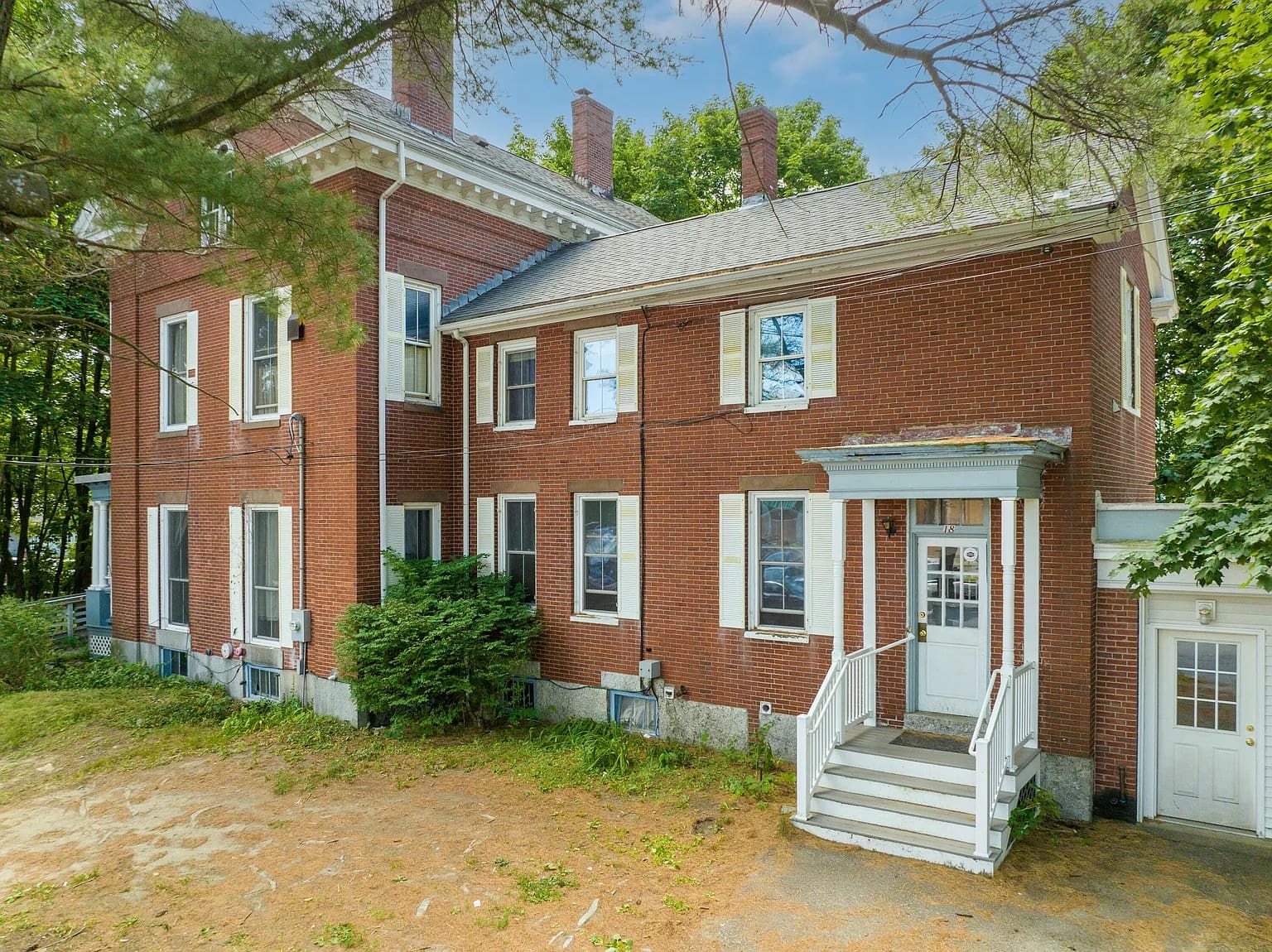
Michael’s dedication didn’t stop with Portland. He later opened two additional homes in South Portland, extending the reach of recovery housing in Southern Maine. Each house offers the same commitment to structure, compassion, and community, while serving men at different stages of rebuilding their lives. These homes stand as part of a growing network of safe recovery environments in Maine, where individuals can find both stability and a sense of belonging. For Michael, each new home is more than a property. It’s a chance to help another group of men rediscover dignity, healing, and purpose.
Inspiring Others to Take the First Step
“If I can go from dying to surviving, from dishonest to honest, to taking from others to literally giving anything to others, then so can you. We can recover one day at a time.”
For anyone considering opening a sober living home or becoming a sober living operator, Michael’s journey is a testament to the power of perseverance and the life-changing impact of recovery housing.
Frequently Asked Questions About Sober Living in Portland, Maine
What does MARR certified mean for a sober home in Maine?
MARR, the Maine Association of Recovery Residences, is the Maine affiliate of the National Alliance for Recovery Residences. It certifies recovery residences using NARR-based standards for safety and ethical operation. Certification is voluntary in Maine, but it shows that a home meets recognized quality standards for the residents it serves.
Why does certification matter for recovery homes in Maine?
Since July 1, 2022, Maine law has required recovery residences to be certified to receive state department contracts, or housing assistance and vouchers from the department, the Maine State Housing Authority, or a municipality. Certified homes must also keep a written discharge and transfer policy approved by a recognized credentialing entity.
Can a former sober living resident become a sober house operator?
Yes. Michael Schnopps found stability as a resident at Vanderburgh Sober Living, later helped manage a sober house, and went on to operate his own homes in Portland and South Portland. Lived experience in recovery can help an operator build a culture of accountability, compassion, and structure that residents trust.
How does sober living help people stay in recovery?
Sober living homes offer structure, accountability, and peer community between treatment and independent living. A 2010 study of 245 sober living house residents found improvements in alcohol and drug use, employment, and arrests over 18 months, and fewer substance users in a resident’s social network predicted better outcomes.
What does it take to open a sober house in Maine?
Opening a sober house in Maine starts with securing a suitable property and adapting it to meet certification and safety standards. The operator then sets house rules and builds a culture of peer support. VSL’s Launchpad program pairs training, one-on-one mentorship, and a leadership network to help new operators open a certified recovery home.
Interested in Sober Living in Portland, Maine?
If you or someone you love is seeking a structured environment for recovery, Vanderburgh Sober Living in
Portland, Maine
offers a community built on compassion, accountability, and hope. Contact us to learn more about our homes or explore how you can become a sober living operator. You can also see sober living in Portland for every home in the city.
Start your sober house
Pick the path that fits where you are in the process.
Download the free guidePath to Purposeful Recovery Housing, by Dr. Hunter T. Foote.Explore the Mastery ProgramHands-on startup, certification, and operating support.See how starting with VSL worksThe opportunity, the community, and what a Charter includes.
Prefer to talk now? Call (844) 762-3747, weekdays 8a to 5p.
Research & Sources
- Foote, H. T. (2026). Vanderburgh Sober Living Operating Climate Index, 2026 edition. Vanderburgh Sober Living. https://www.vanderburghhouse.com/research/operating-climate-index-2026/
- Maine Association of Recovery Residences. (n.d.). Maine Association of Recovery Residences. https://www.mainerecoveryresidences.com/
- Maine Legislature. (n.d.-a). Title 5, §20005: Powers and duties. https://legislature.maine.gov/statutes/5/title5sec20005.html
- Maine Legislature. (n.d.-b). Title 5, §20057: Certified recovery residences. https://legislature.maine.gov/statutes/5/title5sec20057.html
- Polcin, D. L., Korcha, R. A., Bond, J., & Galloway, G. (2010). Sober living houses for alcohol and drug dependence: 18-month outcomes. Journal of Substance Abuse Treatment, 38(4), 356–365. https://doi.org/10.1016/j.jsat.2010.02.003
- Substance Abuse and Mental Health Services Administration. (2023). Best practices for recovery housing (Publication No. PEP23-10-00-002). https://library.samhsa.gov/product/best-practices-recovery-housing/pep23-10-00-002