

Recovery housing (often called sober living) plays a vital role in supporting individuals transitioning from treatment to independent recovery. Yet, these homes frequently find themselves at the intersection of public policy, local zoning, and safety regulations. When disputes arise (whether over building code compliance, community impact, or Fair Housing protections), expert witnesses become essential.
An expert witness in recovery housing provides courts, municipalities, and attorneys with objective, standards-based insight into how these residences operate, what constitutes compliance, and what defines responsible management. Their analysis can clarify complex issues involving building codes, program efficacy, and reasonable accommodation under federal law.
The Role of a Recovery Housing Expert Witness
A recovery housing expert witness bridges the gap between legal interpretation and industry practice. They help attorneys, judges, and regulators understand the technical and operational realities of sober living environments.
Typical roles include:
- Evaluating program structure and operations:
Does the home follow recognized standards, such as those set by the
National Alliance for Recovery Residences (NARR)? - Analyzing compliance with health, safety, and building codes:
Are
fire safety,
occupancy, and accessibility requirements met? - Clarifying
zoning and Fair Housing implications:
Does local regulation align with federal protections for people in recovery? - Providing expert reports and testimony:
Synthesizing findings into objective opinions that withstand cross-examination.
Through these activities, recovery housing experts bring clarity, credibility, and evidence-based reasoning to an often emotionally charged and misunderstood area of housing law.
Key Areas of Recovery Housing Expertise
1. Sober Living Program Efficacy & Outcomes
Sober living homes exist to sustain recovery through structure, accountability, and peer support. Expert witnesses assess whether a program’s policies and operations align with recognized best practices in recovery housing.
They may evaluate:
- Resident structure: Peer-led or staff-managed models, mentoring systems, and curfews.
- Accountability measures: Drug and alcohol screening protocols, incident reporting, and zero-tolerance policies.
- Supportive community: How the environment promotes recovery engagement and connection to outside supports.
- Outcome evidence: Documentation of retention rates, relapse prevention, and reintegration outcomes.
In disputes over program performance or funding eligibility, expert analysis helps determine whether the home is delivering on its recovery mission.
2. Safety, Stability, Building & Fire Codes
Safety is non-negotiable in any residential setting, but particularly in homes serving vulnerable populations. Expert witnesses in recovery housing examine compliance with
local and national building codes, fire protection standards, and housing regulations.
Common areas of assessment include:
- Life-safety systems: Fire alarms, sprinkler systems, egress routes, and emergency plans.
- Occupancy and bedroom design: Adherence to minimum square-footage, ventilation, and exit standards.
- Health and sanitation: Kitchen, bathroom, and waste-management standards that ensure habitability.
- Stability factors: How management policies contribute to safe and orderly operation.
Their findings can help determine whether alleged code violations represent genuine hazards or administrative misunderstandings, and whether compliance measures were appropriately followed.
3. Zoning, Fair Housing, and Land-Use Compliance
Zoning remains one of the most contested areas in recovery housing. Municipalities sometimes impose restrictions (like spacing requirements or moratoria) that may conflict with the
and Americans with Disabilities Act (ADA).
An expert witness evaluates:
- Zoning classifications: Whether the home qualifies as a single-family or group residential use.
-
Reasonable accommodations
:
Whether a municipality’s denial or condition infringes on residents’ protected rights. - Comparative treatment: Whether sober homes are being held to stricter standards than other residential uses.
- Community impact data: Noise, parking, and safety metrics to refute stigma-driven objections.
These analyses can be critical in federal Fair Housing cases or local zoning appeals where factual clarity and precedent are essential.
When Expert Testimony Becomes Critical
Expert testimony often becomes decisive in recovery housing cases when:
- A city issues a cease-and-desist order or zoning denial based on use classification.
- A neighbor or municipality alleges nuisance, over-occupancy, or safety violations.
- A property owner or operator faces claims of negligence related to program design or supervision.
- An insurer or funder disputes coverage or payment based on program legitimacy.
- Regulators or advocates challenge accessibility or discrimination issues under Fair Housing statutes.
In each scenario, an expert’s grounded, objective explanation helps separate myth from fact, illuminating how sober living actually functions within the broader recovery and housing ecosystems.
Qualifications to Look For in a Sober Living Expert Witness
Selecting the right expert witness is about more than credentials. It’s about
balanced, real-world expertise. When choosing a recovery housing expert, consider whether they have:
- Direct operational experience managing or certifying recovery residences.
- Knowledge of NARR or state-level standards and their practical application.
- Familiarity with building, fire, and occupancy codes as applied to group housing.
- Understanding of zoning and land-use frameworks affecting recovery residences.
- Proven ability to communicate complex ideas clearly to non-experts, including juries and boards.
These qualities ensure that expert opinions are both technically sound and legally persuasive.
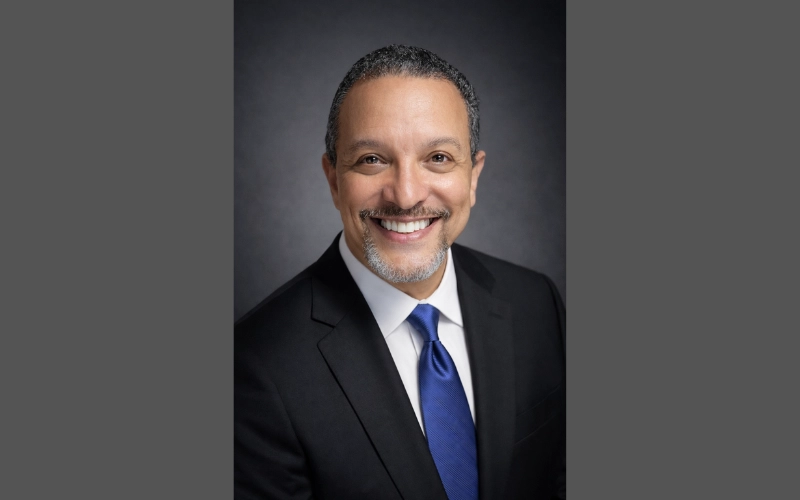
About Dr. Hunter T. Foote
Dr. Hunter T. Foote exemplifies the qualities of a true expert in recovery housing and sober living operations. He is widely regarded as a national authority in the field, combining academic rigor, operational experience, and a deep personal commitment to advancing ethical, effective recovery housing.
Dr. Foote earned his Ph.D. from Salve Regina University, where
explored social entrepreneurship in recovery housing development, a pioneering study that analyzed how mission-driven real estate models can expand access to safe, supportive housing for individuals in recovery. His research continues to inform both practitioners and policymakers seeking sustainable approaches to housing and addiction recovery.
As an author, educator, and consultant, Dr. Foote has published more than 14 books on sober living and recovery housing. His works range from practical guides on opening and operating recovery homes to in-depth explorations of financing, law, and program development. These publications have become foundational resources for housing providers, nonprofit leaders, and real estate investors seeking to align financial sustainability with social impact.
In 2016, Dr. Foote founded Vanderburgh Sober Living, which grew into the largest network of NARR Level II certified recovery residences in the United States. Under his leadership, the organization became a model for professionalized, standards-driven operations, demonstrating how structure, accountability, and community can coexist in a residential recovery setting.
Beyond his operational leadership, Dr. Foote has testified before federal and state courts, as well as administrative agencies, on matters concerning recovery housing efficacy, safety, and zoning. His courtroom experience spans multiple states and includes cases related to Fair Housing Act compliance, building and fire code interpretation, and municipal zoning disputes. Attorneys and judges alike have relied on his clear, evidence-based testimony to explain complex industry standards and their real-world implications.
Read next Sober Living in Georgia: New Recovery Residence Laws and Expert Testimony from Dr. Hunter T. FooteDr. Foote’s expertise is grounded not only in scholarship and field practice but also in his personal values. A man of faith and an Eagle Scout, he brings a principled, service-oriented perspective to his work. Educated at Harvard University, he combines intellectual discipline with compassion for the individuals and families whose lives are affected by the quality of recovery housing.
Today, Dr. Foote continues to serve as a thought leader and advocate for the advancement of well-run recovery residences nationwide. His commitment to transparency, safety, and community integrity underscores every expert opinion he offers, ensuring that his work contributes not only to legal clarity but also to the broader mission of recovery housing as a cornerstone of lasting sobriety.
How to Engage an Expert Witness in Recovery Housing Cases
For attorneys or advocates preparing to engage a sober living or recovery housing expert, a clear process helps ensure efficiency and effectiveness:
- Define the questions early. Identify the specific issues (safety, efficacy, zoning, or policy interpretation) that need expert input.
- Assemble the evidence. Collect property records, inspection reports, incident logs, house rules, and correspondence with municipalities.
- Select the expert carefully. Review credentials, publications, and relevant case experience.
- Engage early. Involve the expert during the discovery phase to shape strategy and document requests.
- Facilitate clear communication. Share case timelines, scope of testimony, and deadlines for disclosure or deposition.
An informed, proactive approach ensures that expert testimony aligns with the broader legal narrative and withstands scrutiny under cross-examination.
This article describes expert witness services and general recovery housing standards. It is not legal advice. Attorneys should evaluate each matter under the governing law and the facts of the case.
Frequently Asked Questions About Sober Living Expert Witnesses
What exactly makes someone a “sober living expert witness”?
A sober-living expert witness must demonstrate both operational familiarity with recovery housing (role, structure, standards) and a strong grasp of applicable code, regulatory, real estate, and land-use frameworks. Dr. Foote brings that combined expertise.
Are building and fire codes really relevant in sober living cases?
Yes, they often are. Courts and municipalities may hold recovery residences to standards of occupancy, egress, alarms/sprinklers, shared bathrooms, and sleeping rooms. Deviations can affect habitability, liability, and zoning outcomes.
How does Fair Housing apply to sober homes?
Under the Fair Housing Act and ADA, individuals in recovery and operators of certified recovery residences may have protections against discriminatory zoning or treatment. An expert who understands both recovery-housing operations and land-use law is essential.
Can Dr. Foote testify for plaintiffs and defendants?
Yes. His neutrality and expertise allow him to be retained by either side, depending on the case facts. The key is early engagement to set scope, review documents, and preserve expert-privilege communications.
Choosing a Recovery Housing Expert Witness: Final Takeaways
Sober living and recovery housing cases often hinge on technical and operational details that few outside the field fully understand. An expert witness brings clarity, helping courts and counsel interpret standards, verify compliance, and distinguish best practice from negligence.
Whether the issue involves fire safety, program design, or zoning disputes, qualified expert testimony transforms complex realities into credible, defensible evidence.
Professionals like Dr. Hunter T. Foote demonstrate how grounded expertise can guide fair outcomes and support the integrity of recovery housing nationwide.
By engaging the right expert witness early, attorneys and decision-makers can navigate the intersection of housing, health, and law with confidence and care.
Support for every stage
Pick the level of support that fits where you are.
Just getting startedSee how the sober living opportunity works and what starting with VSL looks like.LaunchpadGuided pre-launch program: one-on-one strategy, Academy training, weekly coaching, and templates.MasteryHands-on startup, certification, and operating support inside the Chartered Operator community.
Questions first? Call (844) 762-3747, weekdays 8a to 5p.
Research & Sources
- Federal Rules of Evidence, Rule 702. (n.d.). Testimony by expert witnesses. Legal Information Institute, Cornell Law School. https://www.law.cornell.edu/rules/fre/rule_702
- Foote, H. T. (2025). Scaling social enterprise: How social franchising supports sustainable growth and impact [Doctoral dissertation, Salve Regina University]. Digital Commons @ Salve Regina. https://digitalcommons.salve.edu/doctoral_dissertations/230/
- National Alliance for Recovery Residences. (2018). NARR standard 3.0. https://narronline.org/wp-content/uploads/2024/05/NARR-Standard-3.0.pdf
- Substance Abuse and Mental Health Services Administration. (2023). Best practices for recovery housing (Publication No. PEP23-10-00-002). https://library.samhsa.gov/product/best-practices-recovery-housing/pep23-10-00-002
- U.S. Department of Housing and Urban Development & U.S. Department of Justice. (2016). Joint statement of the Department of Housing and Urban Development and the Department of Justice: State and local land use laws and practices and the application of the Fair Housing Act. https://www.justice.gov/opa/file/909906/dl
- U.S. Department of Justice, Civil Rights Division. (n.d.). The Fair Housing Act. https://www.justice.gov/crt/fair-housing-act-1