There are a lot of misconceptions and half-truths concerning alcohol rehab centers. Drug addiction and treatment programs have been stigmatized, preventing persons with substance use disorders from seeking help and families from supporting loved ones who are addicted to alcohol and drugs. As a result, it’s critical to dispel these misunderstandings and break down the social obstacles that prevent people from getting treatment. We can assist you in finding the best drug and alcohol rehab in Connecticut. At Baystate Recovery Center, we provide our patients with comprehensive treatment plans tailored to their specific needs.
5 Myths About Drug and Alcohol Rehab In Connecticut Debunked
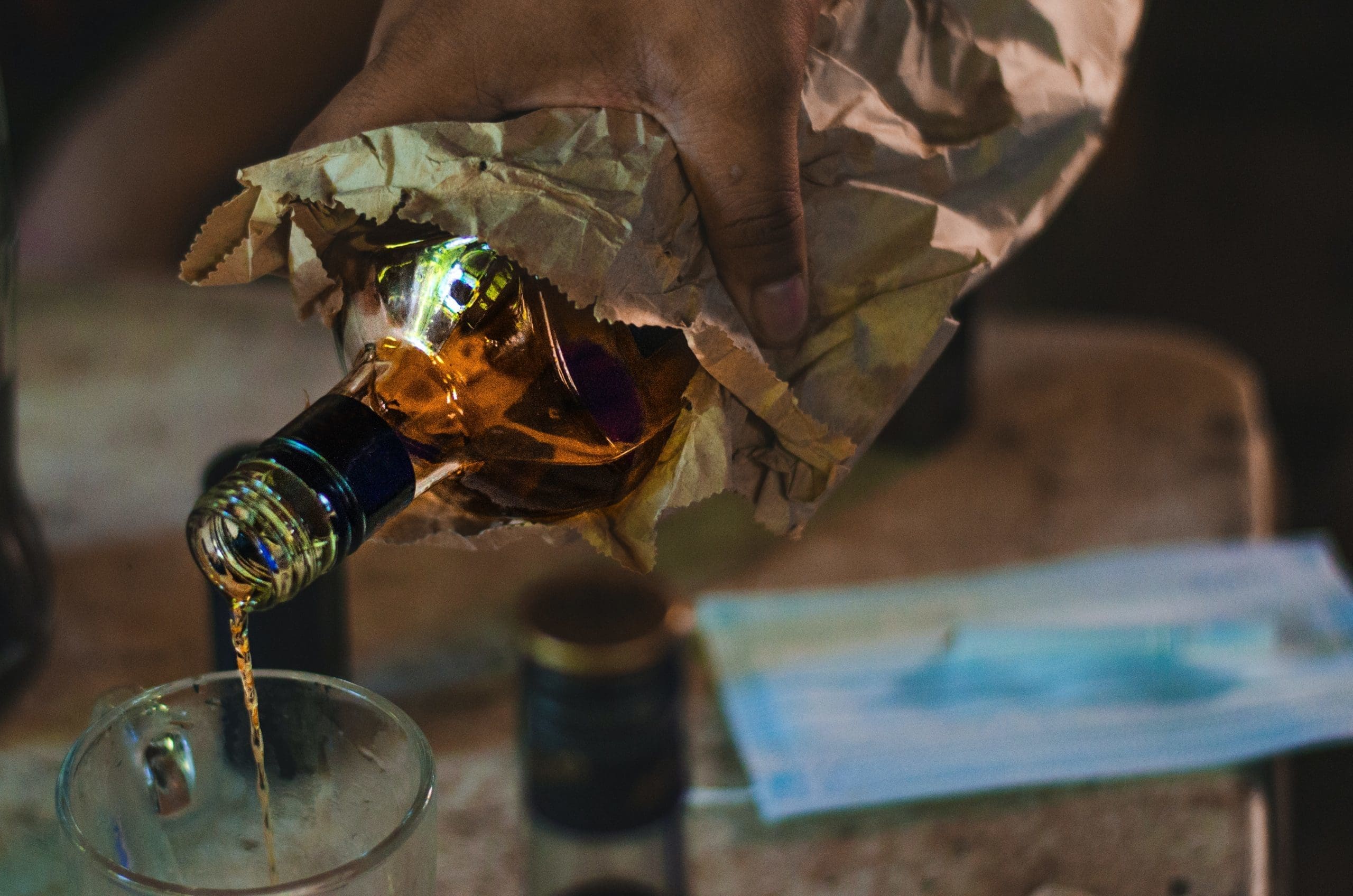
It’s critical to dispel the fallacies about recovery programs so that people realize addiction is manageable and that there should be no shame associated with it. As one of the best rehab centers in Massachusetts, we’re dedicated to debunking some of the most frequent misconceptions about drug and alcohol treatment centers. Patients and their families will be better prepared for rehab in this manner.
Support for every stage
Pick the level of support that fits where you are.
Just getting startedSee how the sober living opportunity works and what starting with VSL looks like. LaunchpadGuided pre-launch program: one-on-one strategy, Academy training, weekly coaching, and templates. MasteryHands-on startup, certification, and operating support inside the Chartered Operator community.Questions first? Call (844) 762-3747, weekdays 8a to 5p.
Myth: Relapse Means Addiction Treatment Did Not Work
Many people assume that people who have substance use issues only need to go to rehab once to fully heal. That isn’t always the case, though, because addiction, like any disease, can resurface even after treatment. Even after many relapses, treatment programs from the best Connecticut detox and drug rehab institutions can help you totally recover.
Relapse does not mean treatment failed. Addiction is a chronic condition, and going back to treatment after a relapse is a normal part of long-term recovery for many people.
Myth: Addiction Treatment Is Only for the Weak-Willed
Drinking alcohol and using drugs may begin as a choice, but it quickly becomes a compulsive behavior that no one can escape no matter how hard they try. The greatest Connecticut rehabs can provide you or a loved one with one of the most effective therapies available. We have experienced personnel at Baystate Recovery Center who understand diverse addiction problems and how to help patients achieve long-term sobriety.
- ✓Policies and house agreements to have signed
- ✓Inspections, insurance, and intake paperwork
- ✓What the first week actually requires
Myth: Detox and Rehab Are the Same Thing
Detoxification is the first step in recovery, and Baystate Recovery Center collaborates with a number of detox facilities to ensure that you receive safe and effective withdrawal treatment. Detox involves removing all traces of drugs or alcohol from the body, ensuring that the person is physically stable before beginning therapy. This treatment is different from outpatient and inpatient programs in that it focuses on determining the fundamental cause and triggers for individuals. We can assist you if you are looking for “drug and alcohol rehab treatment centers near me.”
Keep reading Where Does Sober Living Fit in the Continuum of Care? How recovery housing connects treatment, transition, and independent living. →Myth: You Can Spot Someone With a Substance Use Disorder in a Crowd
Not everyone with a substance use disorder resembles the stereotype of an addict, who wears ragged clothes and has apparent evidence of substance misuse. Many people who suffer from substance abuse issues resemble you. They have jobs, families, and hobbies. However, if you feel someone close to you is misusing drugs or alcohol, these are general indicators of substance abuse. When probed about alcohol or drug usage, for example, they become defensive, and they have financial management concerns.

The state-specific playbook covering certification, zoning, and setup from start to finish.
Myth: You Cannot Get Addicted to Prescription Drugs
Prescription medicines such as Vicodin, Percocet, Valium, and Xanax are among the most commonly abused in the United States. Because prescription medications are very addictive, it is worrisome that many people feel they cannot become hooked to them.
Frequently Asked Questions About Alcohol and Drug Rehab
Does relapse mean rehab failed?
No. Addiction is a chronic condition, and relapse can happen after treatment the way symptoms return in other chronic illnesses. A relapse signals that the treatment plan needs adjusting or resuming. Many people reach lasting recovery after more than one round of treatment, often with structured support such as sober living afterward.
What is the difference between detox and rehab?
Detox is the medically supervised process of clearing alcohol or drugs from the body and managing withdrawal until a person is physically stable. Rehab comes after detox and uses therapy, education, and relapse-prevention planning to address the causes of substance use. Detox alone rarely produces lasting recovery.
Can you become addicted to prescription drugs?
Yes. Opioid painkillers such as Vicodin and Percocet and benzodiazepines such as Valium and Xanax can cause physical dependence and addiction, even when use starts with a legitimate prescription. Anyone worried about their use should talk with the prescribing doctor before stopping, because withdrawal from some of these drugs can be dangerous.
How can you tell if a loved one has a substance use problem?
Often you cannot tell by appearance. Many people with a substance use disorder keep jobs and families. Common warning signs include defensiveness when asked about drinking or drug use, unexplained money problems, secrecy, changes in sleep or mood, and pulling away from people and activities they used to enjoy.
What happens after someone finishes rehab?
Most people step down to a lower level of care, such as outpatient treatment, and many move into a sober living home for structure while they rebuild daily routines. A recovery residence offers peer support, house rules, and an alcohol- and drug-free setting during the early months after treatment.
Getting Help for Drug and Alcohol Addiction in Connecticut
If you’re looking for the best inpatient drug rehab and addiction treatment in Connecticut, we can help. At Baystate Recovery Center, we are Massachusetts’ top drug and alcohol rehab center, dedicated to assisting our patients in leading happy, healthy, drug-free lives. Call (855) 88-SOBER to talk with a Baystate Recovery Center addiction treatment professional or to verify your insurance.
We are the founders of Vanderburgh House, a well established, structured sober living home. We pride ourselves on our excellent sober living resources for our residents.
Our sober House Directory will assist you in locating a place, that is in light with your vision towards your journey to recovery. However, it is advised that you should conduct additional research before committing. Do not be afraid to inquire!
If you’ve ever wondered what it’s like to run a sober home, we suggest reaching out to Vanderburgh Sober Living, which was the first organization in the United States to give sober living licenses. Maintain a positive outlook and be grateful for each day for what it brings you!
Take the next step
Apply, browse homes, or search the national directory.
Apply onlineGet a call back within 24 hours.View VSL homesSee Chartered recovery homes and find the right fit.Search the national directoryCertified sober houses anywhere in the US.
Or call (844) 762-3747, weekdays 8a to 5p.
References
- Barry’s House. (2021, May 21). DEBUNKING 5 MYTHS ABOUT DRUG/ALCOHOL REHAB IN MASSACHUSETTS. The Benefits Of Sober Living. Retrieved December 31, 2021, from Debunking 5 Myths about Drug/Alcohol Rehab in Massachusetts
- Substance Abuse and Mental Health Services Administration. (2021, 6 12). SAMHSA’s National Helpline. SAMHSA. Retrieved December 31, 2021, from SAMHSA’s National Helpline