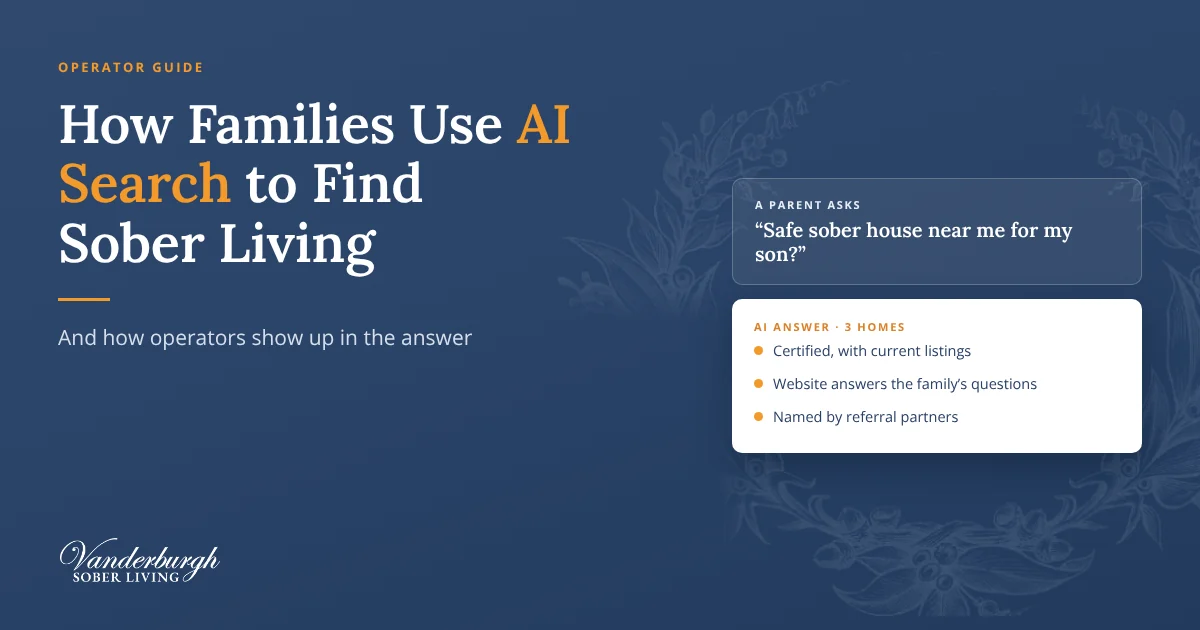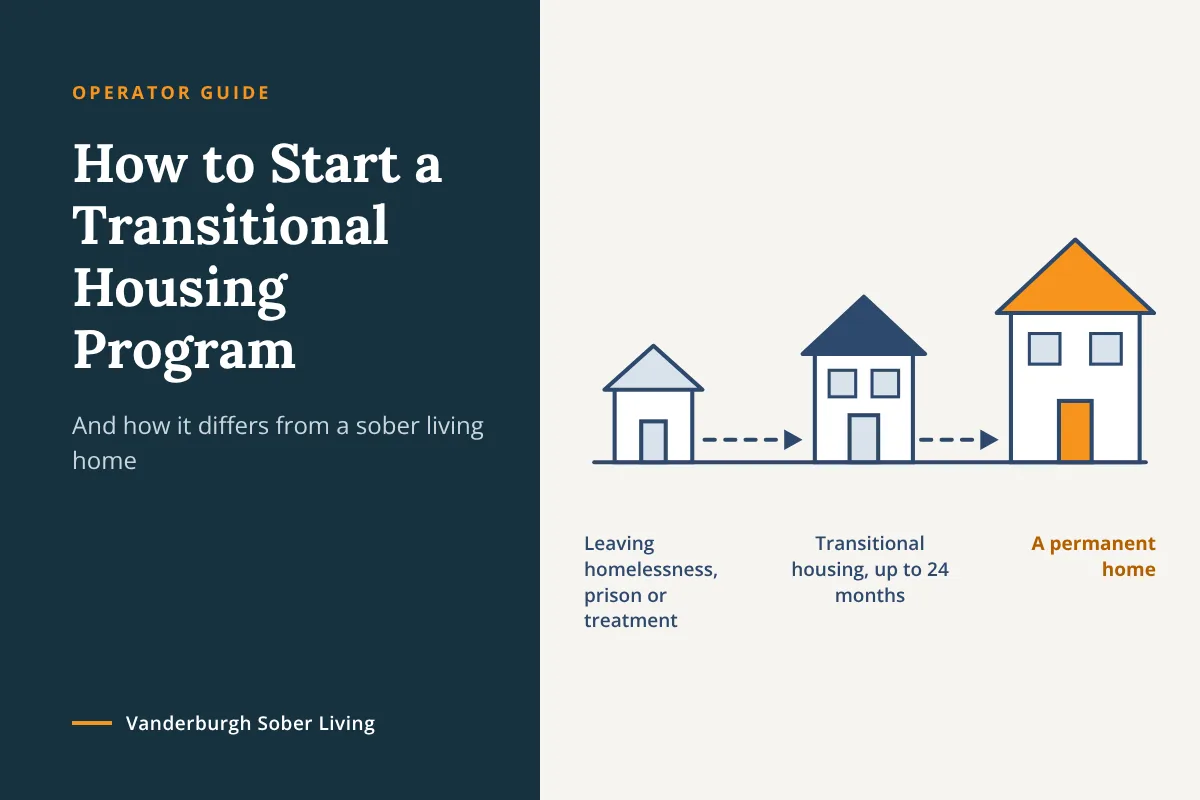
Filling and maintaining full occupancy in a sober living home isn’t just about keeping the lights on. It’s about keeping hope alive. Every empty bed represents someone who could be rebuilding their life in a safe, structured environment. For recovery home operators, understanding how to attract residents, build lasting referral relationships, and sustain occupancy with integrity is essential to both mission and sustainability. In this guide, Vanderburgh Sober Living (VSL) shares proven strategies that help recovery homes fill beds and stay full, from building trust in the community to strengthening digital visibility and maintaining certification standards that inspire confidence.
1. Define “Full Occupancy” the Right Way: Targets, KPIs & Capacity Planning
Before trying to fill every bed, it’s crucial to understand what “full occupancy” really means for a sober living home.
Sustainable occupancy balances financial stability with resident wellbeing and operational readiness.
Key areas to define:
- Target vs. sustainable occupancy: Many recovery homes aim for 92–96% average occupancy. This allows flexibility for new admissions, maintenance, and transitions.
- Bed mix and house type: Decide whether your home will serve men, women, or co-ed groups; consider MAT-friendly accommodations and step-down programs.
- Pricing and payer mix: Set fair, transparent pricing that aligns with your target residents’ financial realities and available funding sources.
- Lead-to-admit funnel: Track how many inquiries convert to interviews, and how many interviews become move-ins.
Checklist: Establishing Your Occupancy Baseline
- Track total beds and currently filled beds
- Calculate 90-day rolling occupancy
- Measure conversion from inquiry → intake → move-in
- Review average length of stay
- Adjust marketing efforts seasonally
2. Build High-Trust Sober House Referral Networks That Send the Right Residents
Referrals remain the most reliable way to fill sober living beds. Building high-trust relationships with local
sober house referral partners
ensures a consistent flow of qualified residents who align with your program’s structure and mission.
The Sober House Referral Ecosystem
| Referral Source | Why It’s Important for Sober Living Occupancy |
|---|---|
| Detox & Residential Treatment Programs | These facilities discharge individuals who are medically stable and ready for transitional housing. Establishing strong connections ensures a steady flow of qualified residents who have completed detox and are ready for a structured sober environment. |
| Outpatient & IOP/PHP Programs | Clients in outpatient care still need a sober, stable place to live. Partnering with these programs helps residents continue treatment while maintaining accountability in a recovery-focused home. |
| Recovery Coaches & Peer Specialists | Coaches are often the first to know when someone needs a safe place to live post-treatment. They offer personal referrals based on trust, increasing the likelihood of successful long-term recovery. |
| Court & Reentry Programs | Individuals reentering the community from incarceration or probation often require sober housing as a condition of release. Collaborating with these programs creates consistent referrals while supporting community reintegration. |
| Hospital Case Managers & Social Workers | Hospitals regularly encounter patients who need recovery housing following medical stabilization. Building relationships here ensures referrals from emergency departments, behavioral health units, and community health teams. |
- Detox and residential treatment programs
- Outpatient and IOP/PHP programs
- Recovery coaches and peer specialists
- Court and reentry programs
- Hospital case managers and social workers
Maintain an outreach cadence: call or visit key partners monthly and provide updated bed availability sheets weekly.
Referral Response Benchmarks for Sober Houses
- Response to referral within 15 minutes
- 70% referral acceptance-to-move-in rate
- 80% of referrals confirmed within 24 hours
3. Be Visible in the Recovery Community: Presence That Drives Word-of-Mouth
A strong community presence builds trust faster than any ad campaign. People choose homes they hear about from those they already trust.
Ways to stay visible:
- Speak at local meetings, graduations, or treatment centers.
- Create an alumni ambassador program that rewards referrals.
- Partner with churches, civic groups, and nonprofits on community projects.
- Offer transportation solutions to expand access.
Steps to Launch an Alumni Referral Program
- Identify graduates doing well in recovery.
- Invite them to share testimonials or mentor new residents.
- Offer small incentives (gift cards, recognition).
- Track which referrals lead to move-ins.
Homes that establish alumni programs often report a 25–30% increase in referrals within 6 months.
4. Sober House Certification & Credibility: The Gateway to Keeping Beds Filled
Certification through programs are organized at the state-level through
NARR Affiliates
.
Certification is more than a badge. It’s a trust signal. Referral partners and families rely on certified homes
because they meet verified standards of safety, governance, and ethics.
Why Certification Matters
- Many referral agencies can only send clients to certified sober living homes.
- Certification verifies compliance with life safety standards, drug screening policies, grievance procedures, and Good Neighbor policies.
- Certified homes often achieve higher occupancy and longer average stays.
Checklist: Essentials for Certification Readiness
- Documented house rules and resident agreements
- Random UDS and breathalyzer testing procedures
- Fire safety inspection records
- Staff and mentor training documentation
- Complaint/grievance policies and logs
In Massachusetts, certified homes typically maintain occupancy 10–15% higher than non-certified counterparts.
Sources:
5. Local SEO That Captures “Sober House Near Me” Searches
When someone searches “sober house near me”, your home should appear. Local SEO ensures families and professionals can find you quickly online.
Core Sober House SEO Strategies
- Claim and optimize your Google Business Profile (GBP).
- Use relevant categories (“Transitional Housing,” “Addiction Recovery Service”).
- Add photos, posts, and update bed availability weekly.
- Encourage recent residents and families to leave thoughtful reviews.
- Build citations on directories like Sober House Directory and SAMHSA’s Behavioral Health Treatment Locator.
Local SEO Checklist for Recovery Homes
- Complete GBP with hours, phone, and service area
- Add 5–10 high-quality photos
- Publish 1 post per week (news, availability, community updates)
- Request at least 2 reviews/month
- List on 5+ reputable directories
- ✓Every document a carrier or broker asks for
- ✓Coverages a Level II home is expected to hold
- ✓Wording that gets applications kicked back
6. Social Media That Converts Sober Living Inquiries
Social media helps keep your home top of mind for both referrers and families. A consistent and compassionate online voice shows you care, and helps potential residents see your culture in action.
Best platforms:
- Facebook & Instagram: for resident families and alumni.
- LinkedIn: for professionals, case managers, and referral partners.
Content pillars:
- Success stories (with resident consent)
- House updates and availability
- Staff or mentor spotlights
- Community involvement posts
- Recovery-related education
Sample Weekly Calendar:
| Day | Content Type | Goal |
|---|---|---|
| Monday | Inspirational quote | Build hope |
| Tuesday | Staff spotlight | Build trust |
| Wednesday | Bed availability | Drive inquiries |
| Friday | Alumni success story | Increase referrals |
| Sunday | Community event photo | Build engagement |
7. Sober House Digital Marketing Essentials: Website, Ads & Conversion Paths
A professional, user-friendly website turns interest into move-ins. Every click should lead to clarity and trust.
Sober House Website Tips
- Prominent phone number and “Apply Now” button
- Bed availability and eligibility criteria
- Certification badges and testimonials
- Photos of clean, well-kept living spaces
Paid vs. Organic Sober Living Marketing Comparison
| Channel | Speed | Cost | Best Use |
|---|---|---|---|
| Organic SEO | Slower (3–6 months) | Low ongoing | Long-term visibility |
| Google Ads | Immediate | Higher per lead | Quick response to dips |
| Referral Networks | Moderate | Low | Consistent resident flow |
Track every call and form submission. Use data to improve page layout, call-to-action placement, and ad targeting.
Start your sober house
Pick the path that fits where you are in the process.
Download the free guidePath to Purposeful Recovery Housing, by Dr. Hunter T. Foote. Explore the Mastery ProgramHands-on startup, certification, and operating support. See how starting with VSL worksThe opportunity, the community, and what a Charter includes.Prefer to talk now? Call (844) 762-3747, weekdays 8a to 5p.
8. Operational Excellence That Protects Your Sober House’s Reputation
Key Operational Habits and Systems
| Operational Habit | Why It Matters for Recovery Housing Success |
|---|---|
| Answer every call or text within minutes | Rapid response shows reliability and compassion, helping ensure that families and referral partners trust your home with urgent placements. A missed call can mean a missed opportunity to help someone ready for change. |
| Maintain transparent eligibility, pricing, and expectations | Clear communication prevents misunderstandings and builds credibility. Transparency around admission criteria and costs fosters trust with residents and referrers alike. |
| Train staff to handle intake professionally and compassionately | Intake sets the tone for a resident’s entire stay. Professional, empathetic staff interactions help residents feel safe and respected from day one, improving retention and outcomes. |
| Uphold house standards like quiet hours and Good Neighbor policies | Consistent enforcement keeps homes peaceful, maintains community trust, and aligns with certification and zoning standards. Respect for neighbors directly supports sustainability. |
| Track satisfaction and incident trends to continuously improve | Regularly reviewing feedback, incident reports, and outcomes helps operators identify strengths and address small issues before they grow, ensuring ongoing program excellence. |
Same-Day Sober House Resident Placement Workflow
A responsive intake process can make the difference between a missed opportunity and a life changed.
Sober houses that can place residents quickly (while maintaining thorough screening and documentation) build trust with referral partners and serve more people in need.
- Receive Inquiry
Every inquiry, whether by phone, text, or online form, should be treated as urgent. Families and treatment professionals often reach out during critical transition moments. Responding quickly demonstrates reliability and compassion. - Conduct Brief Screening
Gather essential information such as sobriety date, program affiliation, and payment readiness. Keep it conversational and judgment-free. The goal is to ensure the applicant is a good fit while making them feel respected and supported. - Confirm Bed Availability
Check your live bed tracking system or call the house mentor to confirm openings. Accurate, real-time availability avoids miscommunication and helps referrers trust your process. - Schedule or Complete Intake Immediately
Whenever possible, complete the intake on the same day. Many residents move in within hours of the initial call. If transportation is needed, coordinate with referral partners or ride services to ensure smooth transitions. - Communicate Confirmation to Referral Source
Close the loop with the referrer or family. A quick confirmation builds confidence, encourages future referrals, and ensures continuity of care between treatment and recovery housing.
Target Operational Metrics for Sober House Operations
To maintain occupancy and credibility, sober houses should operate with clear, measurable performance goals.
These response-time and service benchmarks keep teams accountable and help operators track what really drives results.
- Answer calls in under 60 seconds
Every unanswered call risks losing a potential resident or referral. Aim to answer immediately, or have a call-forwarding system so no inquiry goes to voicemail. - Respond to texts or online inquiries within 5 minutes
Fast digital response times reflect professionalism. Use automated acknowledgment texts or chat tools to bridge the gap until a live team member responds. - Complete move-ins within 24 hours when appropriate
Many referrals are time-sensitive, especially discharges from treatment or incarceration. Having a streamlined, documented process for same-day or next-day intakes makes your home a preferred partner for agencies and families.
Consistently meeting these benchmarks not only increases occupancy. It builds your home’s reputation as responsive, dependable, and mission-driven.
Frequently Asked Questions About Filling Sober House Beds
Why is having high, sustained occupancy crucial for a sober living home, and what is the target occupancy rate?
High, sustained occupancy is crucial because it serves both the mission and the sustainability of a sober living home. From a mission standpoint, every filled bed represents someone actively rebuilding their life in a safe, structured environment. From a sustainability perspective, high occupancy is essential for financial stability, allowing the operator to maintain safety standards, property quality, and staffing. Rather than aiming for 100%, which is operationally unrealistic due the natural flow of transitions, most professional recovery homes aim for a target sustainable occupancy of 92–96%. This small buffer provides necessary flexibility for new admissions, property maintenance, and successful resident transitions.
What is the most reliable strategy for generating a consistent flow of qualified residents for sober living?
The most reliable strategy for generating a consistent flow of qualified residents is building and maintaining High-Trust Sober House Referral Networks. These networks include local detox and residential treatment centers, outpatient/IOP programs, hospital case managers, and court/reentry programs. These partners send residents who are medically stable, aligned with the home’s rules, and ready for transitional housing. Operators must prioritize rapid response times (e.g., answering calls within minutes and confirming referrals within 24 hours) and maintain an outreach cadence to ensure the referral source always trusts the sober home with their clients.
How does NARR Affiliate Certification directly impact a sober living home’s occupancy?
Sober House Certification through state-level NARR Affiliates directly and significantly impacts occupancy by acting as a verified trust signal and a gateway to critical referral sources. Many professional agencies, hospitals, and court programs are restricted to only referring clients to certified homes because certification verifies compliance with strict standards for life safety, governance, ethics, and accountability. Certified homes often achieve 10–15% higher occupancy than non-certified counterparts because they are on more lists and inspire higher confidence among the families and professionals making placement decisions.
What is the most effective digital marketing technique for capturing prospective residents and their families who are searching locally?
The most effective digital marketing technique is optimizing for Local SEO, specifically capturing the high-intent search phrase “sober house near me.” This is achieved by diligently managing and optimizing the home’s Google Business Profile (GBP). Key optimization steps include ensuring the GBP is fully complete with accurate information, using relevant categories like “Transitional Housing,” adding high-quality photos, updating bed availability weekly in posts, and actively encouraging thoughtful reviews from recent residents and their families. This ensures the home appears in Google’s “Local Pack” results when people are searching for immediate housing options.
Beyond marketing, what key operational systems are necessary to protect a sober home's reputation and support long-term occupancy?
Long-term occupancy is protected by Operational Excellence, which ensures a home maintains its reputation among residents and referrers. Key operational systems include: Rapid Intake and Response, where calls are answered immediately and move-ins are completed within 24 hours when appropriate; Transparent Communication of eligibility, pricing, and expectations to build trust; Consistent Upholding of House Standards like quiet hours and Good Neighbor policies to maintain a peaceful environment; and Professional Staff Training that ensures compassionate and professional handling of all resident interactions from day one. These consistent practices improve resident retention and keep referral partners sending clients year after year.
Get More From Your Sober House Operations With VSL
At Vanderburgh Sober Living, we believe every recovery home deserves to operate at full potential, safely, sustainably, and with compassion.
If you’re an operator, landlord, or partner looking to strengthen your referral network or improve occupancy,
connect with us today to learn how our community and tools can help you fill every bed with purpose.
Support for every stage
Pick the level of support that fits where you are.
Just getting startedSee how the sober living opportunity works and what starting with VSL looks like.LaunchpadGuided pre-launch program: one-on-one strategy, Academy training, weekly coaching, and templates.MasteryHands-on startup, certification, and operating support inside the Chartered Operator community.
Questions first? Call (844) 762-3747, weekdays 8a to 5p.