
Property · Renovation · Coach
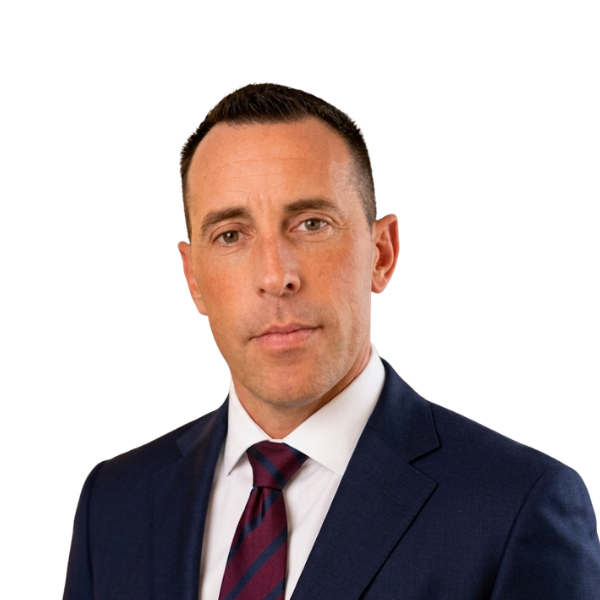
Director of Community Development at Vanderburgh Sober Living. Decades in property management and renovation, now spent keeping recovery homes safe, compliant, and efficient.
Credentials
The unglamorous half of recovery housing: the roof, the boiler, the egress, and the inspection.
Decades
In Property Management
Full
Building Systems
Code
Inspection Readiness
1:1
Operator Coaching
Experience
A long career managing and renovating residential property, brought to bear on homes that carry more people, more wear, and more scrutiny than a typical rental.
Renovation
Leads the significant work: the projects that turn an ordinary house into a recovery residence that can carry a full census without falling apart.
Systems
Heating, plumbing, electrical, egress, and fire safety. The systems that no one thinks about until they fail, and that fail hardest in a full house.
Compliance
Getting homes through inspection and keeping them there. Local code, occupancy, and the physical requirements that certification standards assume are already handled.
Coaching
Coaches operators on the practical side of running a property: maintenance planning, vendor relationships, capital reserves, and what to fix first when the budget is short.
Standard
Every home in the network held to the same physical standard, because residents should not be able to tell which house got the attention.
Biography
Jim Lamorge has spent decades in property management and renovation, and he is unsentimental about what that experience is worth: buildings tell you what is wrong with them long before anyone files a complaint.
He is the Director of Community Development at Vanderburgh Sober Living, where he leads major upgrades across the network, strengthens building systems, and makes sure every home is safe, compliant, and efficient.
Recovery housing is harder on a building than most people expect. A house designed for a family of four is carrying eight or ten adults, all of them home at different hours, all of them using the same hot water and the same stairs. Systems that would last twenty years in a single-family rental do not. Jim plans for that, which means the maintenance conversations he has with operators are usually about the next two years rather than the current emergency.
The other half of the job is the paperwork side of the physical plant. Occupancy limits, egress, fire safety, and local code are where recovery homes most often get challenged, and a home that is physically sound but cannot document it is still in trouble. He works with operators on both.
As a coach he teaches the operational essentials, and his guidance runs practical and sustainable rather than aspirational. Deferred maintenance is a loan at a bad interest rate, and the residents are the ones who end up paying it.
What He Does
Four things that decide whether a recovery home is still standing in ten years.
Scoping and leading the substantial work, from full conversions to targeted upgrades, with an eye to what a house carrying a full census needs rather than what shows well in photographs.
Heating, plumbing, electrical, and ventilation sized and maintained for shared living. Most emergency repairs in recovery housing are undersized systems finally giving out.
Egress, fire safety, occupancy, and local code. The physical requirements that certification standards assume are handled and that towns look at first when a home is challenged.
Coaching operators on preventive maintenance schedules, vendor relationships, and capital reserves, so that the roof is a planned expense rather than the end of the home.
Approach
Nobody opens a recovery home because they are excited about the boiler. That is exactly why the boiler ends the home.
Operators come into this work motivated by the mission, and the mission is the right reason. But a house is a physical object under load, and the load in a recovery residence is heavier than almost any operator expects going in. Jim’s job is mostly to move that realization earlier, before it arrives as a failed inspection or a flooded basement in February.
His coaching is deliberately unglamorous. Walk the building. Know the age of every system in it. Put money aside on a schedule rather than on a feeling. Fix the thing that will cause the most damage, not the thing that annoys you most. It is not complicated advice, and it is close to the only advice that keeps a home open long enough for the mission to mean anything.
“Deferred maintenance is a loan, and the residents pay the interest.”
Experience
A long career in property, applied to homes that need it most.
vanderburghhouse.com
Leads major upgrades across the network, strengthens building systems, and ensures every home is safe, compliant, and efficient. Coaches operators on the operational essentials of recovery housing with practical, sustainable guidance.
Residential property
Decades of experience managing and renovating residential property, covering building systems, capital planning, code compliance, and the day-to-day realities of keeping occupied buildings in good condition.
Questions
Jim Lamorge is the Director of Community Development at Vanderburgh Sober Living. He brings decades of experience in property management and renovation to the network, leading major upgrades and making sure every home is safe, compliant, and efficient.
He leads renovation and upgrade work across the network, strengthens building systems, oversees safety and code compliance, and coaches operators on maintenance planning and the operational essentials of running a property.
Decades in residential property management and renovation, covering building systems, capital planning, and code compliance, now applied to recovery residences that carry a heavier occupancy load than typical rentals.
Renovation scope, building systems, safety and code compliance, preventive maintenance schedules, vendor relationships, and capital reserves. His guidance is practical and sustainable rather than aspirational.
Start with the Vanderburgh Sober Living team. Tell us about the property and where you are stuck, and we will point you to the right person. Jim also coaches operators inside the Launchpad and Mastery programs.
Next Step
Weighing a property, planning a renovation, or trying to get a home through inspection?
Tell us about the building and where you are stuck. We will tell you what it likely needs and what that costs before you commit to it.
No cost, no obligation. We come back within one business day.
Property. Renovation. Coaching.
Keeping recovery homes safe, compliant, and standing.
Jim Lamorge is the Director of Community Development at Vanderburgh Sober Living, a cooperative network of independently operated sober living homes organized by The Vanderburgh Foundation, Inc., a 501(c)(3) charitable foundation based in Webster, Massachusetts.
