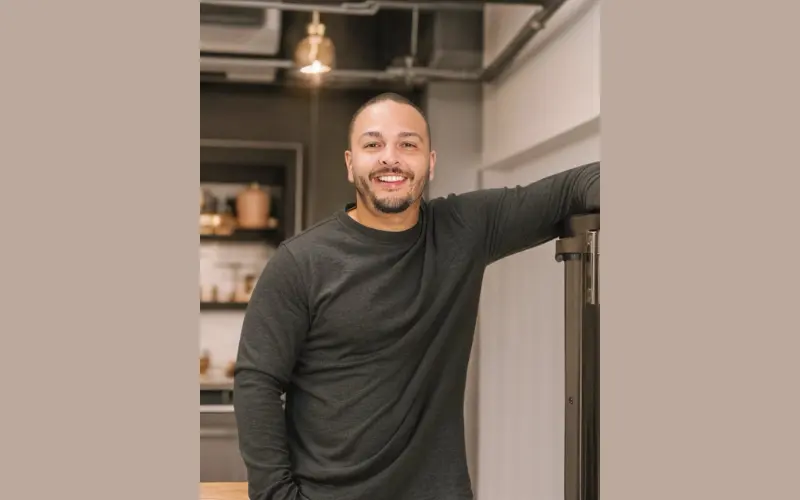
West Palm Beach, Florida welcomes a powerful new recovery housing initiative with the launch of Adam’s House, founded by mental health professional Jayson Reyes, PMHNP-BC. Built on a foundation of clinical expertise and peer-driven accountability, Adam’s House is redefining what it means to achieve long-term sobriety through structured living, workforce reintegration, and strong community connection.
Meet Jayson Reyes: Clinically-Grounded, Purpose-Driven Leader
Jayson Reyes is a dedicated mental health professional and visionary leader whose work is rooted in clinical excellence, structure, and empowerment. As the founder of Adam’s House and owner of Conquer Mental Health, he brings over 17 years of experience in mental health and substance use treatment, developing programs grounded in evidence-based practices and SAMHSA guidelines.
His approach blends clinical oversight with peer-led recovery, creating environments where men are held accountable while being supported in rebuilding their lives. Driven by a commitment to long-term stability and independence, Jayson focuses on equipping individuals with the tools needed for workforce reintegration, mental wellness, and sustained sobriety, helping transform recovery into a foundation for purpose and leadership.
A Mission Rooted in Empowerment and Purpose
Adam’s House was created with a clear and ambitious mission: to empower men overcoming addiction through a dynamic, peer-led Social Model that blends structured sober living with real-world opportunity.
At its core, the program goes beyond sobriety maintenance. Residents are supported in building meaningful lives, developing life skills, securing employment, and engaging in community-based activities that reinforce purpose and independence. The vision extends even further: to cultivate a thriving network of resilient individuals who contribute positively to their community while maintaining long-term mental health stability.
By creating safe, transformative spaces, Adam’s House aims to become a cornerstone of recovery in West Palm Beach, helping reshape the local landscape into one of support, accountability, and lasting change. If you are looking for a bed, see sober living in West Palm Beach.
Brotherhood-Based Sober Living With Job Placement in West Palm Beach
Operated under the umbrella of Conquer Mental Health, Adam’s House offers premier recovery housing designed specifically for men seeking a structured yet supportive path forward.
The program emphasizes:
- Daily house meetings that reinforce accountability and connection
- A safe, tranquil environment focused on personal growth and stability
What sets Adam’s House apart is its integration of recovery with real-life progress. Through strong local partnerships, residents gain access to job opportunities in:
- Landscaping
- Skilled trades
- Handyman services
- General employment placements
This approach ensures that each resident not only maintains sobriety but also builds financial independence and confidence, key pillars for long-term success.
About Vanderburgh Sober Living
Vanderburgh Sober Living exists to build peer-supported, recovery-focused communities that guide individuals toward lasting sobriety. Every Certified Home is led by a trained House Mentor and follows structured rules that promote accountability, growth, and healing.
Most of our homes are operated by independent, self-employed Owners/Operators (like Jayson) who bring their passion and expertise to local communities. Through our Charter Program, Vanderburgh Sober Living provides a platform for individuals to start and operate their own sober homes with full operational, branding, and community support.
Interested in opening your own recovery home? Learn more about becoming a Chartered Operator.
Adam’s House Rules: Curfew, Drug Testing, and Zero Tolerance
Adam’s House maintains a high standard of accountability to protect the integrity of its brotherhood-focused environment.
Residents are expected to follow a structured routine that includes:
- A 10 PM nightly curfew
- Mandatory participation in day treatment (IOP), support groups, or employment
- Active involvement in house responsibilities and peer support
To ensure safety and sobriety, the program enforces:
- Weekly toxicology screenings
- Regular breathalyzer tests
- Random room checks when necessary
There is also a strict zero-tolerance policy for:
- Violence
- Theft
- Drug or paraphernalia possession
These expectations are not punitive. They are foundational. They create a disciplined environment where men can rebuild their lives with clarity, accountability, and support.
Keep reading House Rules in Sober Houses The rules that keep a recovery home safe, structured, and worth living in. →Building a Stronger Recovery Community in South Florida
Adam’s House is more than a sober living home. It’s a movement toward sustainable recovery and community transformation.
By combining:
- Structured sober living
- Clinical oversight
- Workforce development
- Peer-driven accountability
the program equips men with the tools they need to reclaim their purpose and build meaningful, independent lives.
As Adam’s House establishes itself in West Palm Beach, its impact is expected to ripple outward, strengthening the local recovery network and creating opportunities for men to recover and thrive.
Frequently Asked Questions About Brotherhood-Based Sober Living
What makes a brotherhood-based sober living home different from other recovery housing options?
A brotherhood-based sober living home emphasizes peer support, shared responsibility, and strong social connections among residents. This approach helps create accountability while encouraging personal growth and long-term recovery.
Can sober living help someone rebuild their career after addiction?
Yes. Recovery housing can provide structure, stability, and connections to employment opportunities that support workforce reintegration. Building financial independence is often an important part of sustaining long-term recovery.
Why are daily house meetings important in sober living?
Daily meetings give residents a consistent space to discuss challenges, celebrate progress, and support one another. They also help strengthen communication, accountability, and community within the home.
Who benefits most from a structured sober living environment?
Individuals who want added accountability, routine, and peer support during recovery often benefit from structured sober living. These environments can help residents focus on sobriety while working toward personal and professional goals.
How can local communities support recovery housing programs?
Communities can contribute through referrals, volunteer efforts, employment opportunities, and resource partnerships. These collaborations help strengthen recovery support systems and create more opportunities for individuals in recovery to succeed.
How to Support Adam’s House or Open a Similar Sober Home
If you’re inspired by Adam’s House’s mission, consider partnering through referrals, volunteerism, resource sharing, or community collaboration. Together, we can expand recovery-friendly housing and support systems that change lives.
For aspiring operators interested in launching a similar model, Vanderburgh Sober Living offers resources on how to start a sober living home and what operators need to get started.
Start your sober house
Pick the path that fits where you are in the process.
Download the free guidePath to Purposeful Recovery Housing, by Dr. Hunter T. Foote.Explore the Mastery ProgramHands-on startup, certification, and operating support.See how starting with VSL worksThe opportunity, the community, and what a Charter includes.Prefer to talk now? Call (844) 762-3747, weekdays 8a to 5p.
Research & Sources
- Foote, H. T. (2026). Vanderburgh Sober Living Operating Climate Index, 2026 edition. Vanderburgh Sober Living. https://www.vanderburghhouse.com/research/operating-climate-index-2026/
- Florida Association of Recovery Residences. (n.d.). Florida Association of Recovery Residences. https://farronline.org/
- Florida Statutes § 397.487. (2025). Voluntary certification of recovery residences. https://www.flsenate.gov/Laws/Statutes/2025/397.487
- Polcin, D. L., Korcha, R. A., Bond, J., & Galloway, G. (2010). Sober living houses for alcohol and drug dependence: 18-month outcomes. Journal of Substance Abuse Treatment, 38(4), 356–365. https://doi.org/10.1016/j.jsat.2010.02.003
- Substance Abuse and Mental Health Services Administration. (2023). Best practices for recovery housing (Publication No. PEP23-10-00-002). https://library.samhsa.gov/product/best-practices-recovery-housing/pep23-10-00-002