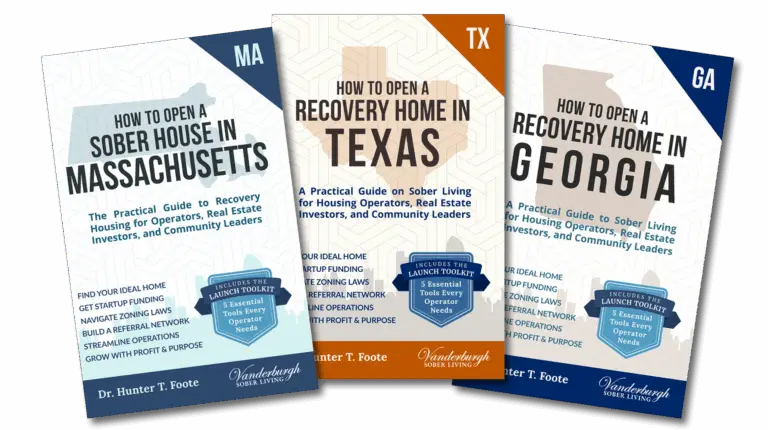
Dr. Hunter T. Foote’s Opening Doors to Recovery Housing book series introduces a new, state-specific approach to understanding and developing recovery housing across the United States. Designed for operators, real estate developers, and community leaders, this collection reflects years of on-the-ground experience, policy engagement, and real-world implementation in sober living environments. Rather than offering generic guidance, the series provides practical, localized insight into how recovery housing works in different states and communities.
A New Book Series From Dr. Hunter T. Foote: Opening Doors to Recovery Housing
The Opening Doors to Recovery Housing series marks the launch of a comprehensive, state-by-state resource for those involved in recovery housing. Each book is tailored to a specific state, offering practical guidance grounded in that state’s legal, regulatory, and operational landscape.
Unlike national overviews, this series focuses on what actually works in specific places. Each volume reflects the realities of local housing markets, community ecosystems, and recovery support networks.
At a glance, the series:
- Provides state-specific guidance for recovery housing development and operations
- Is designed for operators, developers, and community stakeholders
- Reflects real-world experience across multiple states
Opening Doors to Recovery Housing Books by State
Readers can explore the Opening Doors to Recovery Housing series by state, selecting the volume that covers their state:
The collection already spans a wide range of states and continues to expand, offering a growing library of localized recovery housing guides.
What Readers Will Find Inside the Opening Doors to Recovery Housing Books
Each book in the series is structured to help readers move from understanding to implementation. The focus is practical, not theoretical, with clear explanations of how recovery housing functions within a given state. Readers will explore:
- State-specific compliance considerations related to recovery housing and sober living
- Local recovery ecosystems, including referral sources, community dynamics, and support networks
- Step-by-step guidance for exploring, planning, and establishing recovery housing
- Common challenges encountered when launching or expanding recovery residences
- Practical insights that reflect real-world conditions, not generic assumptions
This approach ensures that readers are not left trying to interpret broad advice. Instead, they receive guidance that aligns with the actual conditions they will face in their local market.
Why Recovery Housing Needs State-Specific Guidance
Recovery housing is not governed by a single national framework. While broad principles exist, the day-to-day realities of operating or developing a recovery residence vary significantly by state.
Differences can include:
- Certification structures and oversight bodies
- Local zoning and housing considerations
- Availability of recovery resources and referral networks
- Community attitudes and stakeholder engagement
Recovery housing is also distinct from clinical treatment. It provides a structured, supportive living environment rather than medical or therapeutic services. Because of this, it sits at the intersection of housing, community support, and recovery culture, each of which varies locally.
National standards and general guidance can provide a foundation, but they cannot account for the nuances of each state. This is why state-specific resources are essential for anyone seeking to build, operate, or support recovery housing effectively.
Start here How to Start a Sober Living Home: A Step-by-Step GuideThe Story Behind the Series: A National Tour Through Recovery Housing
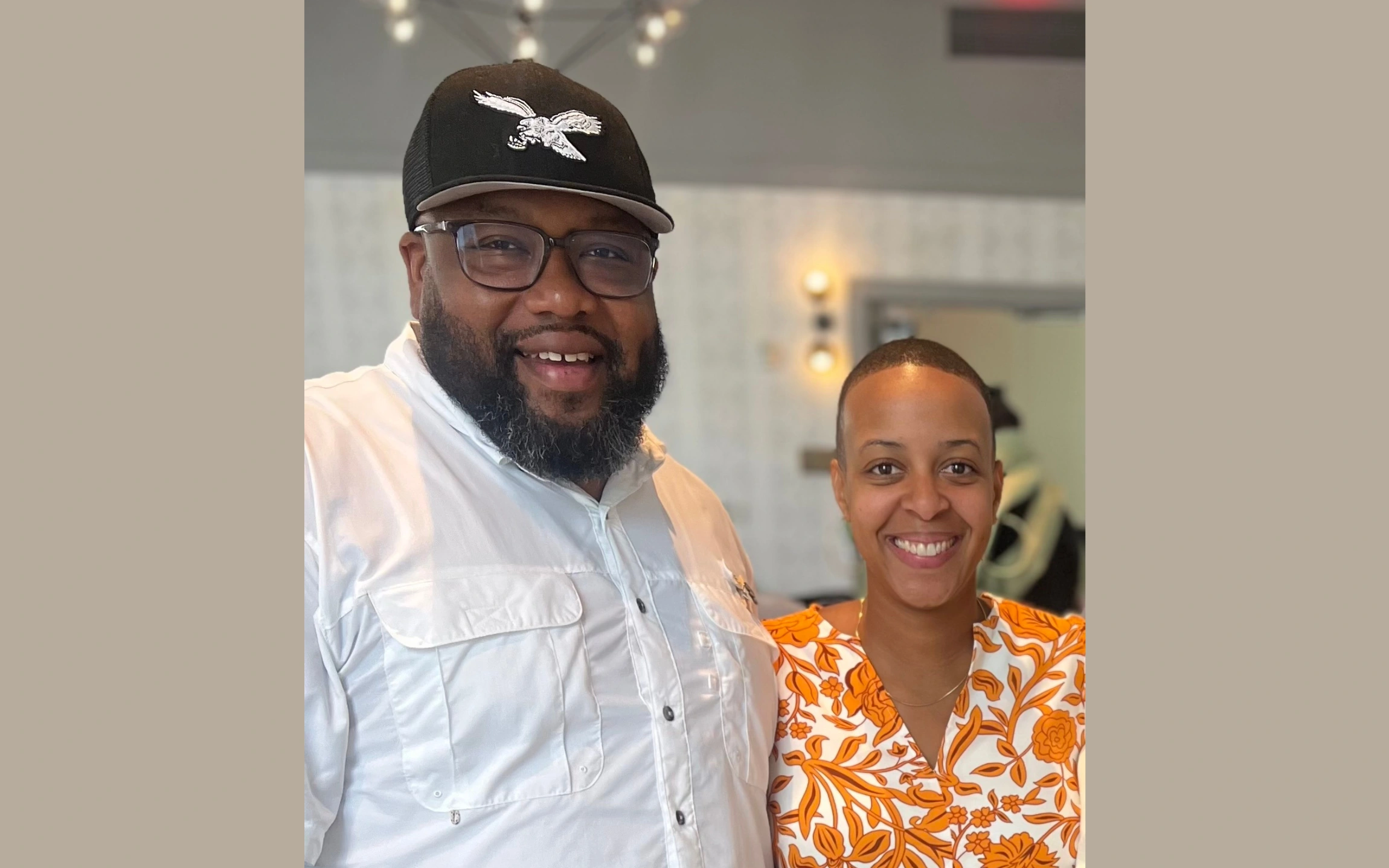
The Opening Doors to Recovery Housing series emerged from direct engagement across the country. Rather than being developed solely through research, the books were shaped by firsthand observation, conversations, and collaboration.
Visiting Recovery Homes
Across multiple states, visits to recovery residences revealed how different environments operate in practice. Each home reflected its local context, from structure and culture to operational challenges.
Meeting Leaders and Changemakers
Conversations with operators, advocates, and community leaders provided insight into what drives successful recovery housing. These discussions highlighted both shared principles and local differences.
Understanding Local Ecosystems
Every state presents a unique ecosystem of recovery services, housing availability, and community dynamics. Observing these systems firsthand helped identify what makes recovery housing sustainable in different regions.
From Observation to Implementation
The series translates these experiences into practical guidance. The goal is not just to describe recovery housing, but to equip readers with tools they can apply in their own communities.
From Policy to Practice: Atlanta, Mobile, and Los Angeles
The development of the series was shaped by a range of real-world experiences across different regions.
Atlanta, Georgia: Engaging with State Policy
In Georgia, engagement included providing testimony before the Georgia State Senate on proposed recovery housing legislation. This experience highlighted the importance of clear standards and informed policy in shaping the future of recovery housing.
Takeaway: Policy decisions directly influence how recovery housing can develop and operate, making state-level understanding essential.
Mobile, Alabama: Strengthening Local Ecosystems
In Mobile, conversations with local leaders focused on strengthening the recovery housing ecosystem. These discussions emphasized collaboration, resource alignment, and community engagement.
Takeaway: Strong local networks are critical to the success and sustainability of recovery housing.
Los Angeles, California: Supporting New Home Launches
In Los Angeles, efforts included helping launch new recovery homes. This work demonstrated the complexity of bringing a new residence online in a large and diverse market.
Takeaway: Practical, location-specific guidance is necessary to navigate real-world challenges in development and operations.
Together, these examples illustrate why recovery housing cannot be approached with a one-size-fits-all model.
How the Books Were Developed: A Practical Framework From the Field
The Opening Doors to Recovery Housing series follows a consistent development process grounded in real-world experience.
- Visit and observe
Engage directly with recovery homes to understand operations in practice - Listen to local leaders
Gather insights from operators, advocates, and community stakeholders - Study the state landscape
Review legal, regulatory, and housing-related factors that shape recovery housing - Translate insights into guidance
Convert observations into clear, practical recommendations - Publish tools people can use
Create accessible, state-specific resources designed for implementation
This framework ensures that each book is both informed and actionable. It also allows the series to continue expanding as new states are explored and documented.
Whether you are exploring recovery housing for the first time or expanding into new regions, the ability to browse by state makes the series a practical tool for discovery and planning.
Frequently Asked Questions About State-Specific Recovery Housing Guidance
Why do sober living rules differ from state to state?
No single federal law governs recovery housing, so each state sets its own approach. Some states offer voluntary certification through a NARR affiliate, some tie state referrals or funding to certification, and a few require licensure. Local zoning, fire codes, and referral networks add further differences that operators should understand early.
Is a recovery residence the same as addiction treatment?
No. A recovery residence provides a safe, substance-free home with peer support and house structure, while clinical treatment delivers medical or therapeutic services. Many residents attend outpatient treatment, meetings, or work while living in a sober house. NARR’s levels of support describe the range, from peer-run homes to settings with on-site clinical services.
Who certifies sober living homes?
In most states, certification is voluntary and comes from a state affiliate of the National Alliance for Recovery Residences (NARR). Affiliates review homes against the NARR Standard, which covers administrative operations, the physical environment, recovery support, and good neighbor practices. NARR lists more than 30 state affiliates, and newer ones continue to form.
What did Georgia’s Senate Study Committee on Recovery Residences recommend?
In November 2025, the Georgia Senate Study Committee on Recovery Residences adopted a final report recommending state licensure, standardized quality measures, an updated registry, safeguards against unsafe referrals, and attention to zoning barriers. Dr. Hunter T. Foote testified on Georgia recovery housing legislation, an experience that helped shape the Opening Doors series.
How can I compare states before opening a sober living home?
Start with each state’s certification body, zoning and fair housing rules, and funding options. Vanderburgh Sober Living’s Operating Climate Index scores all 50 states on legal climate, certification value, market strength, and funding access, giving operators a quick comparison before they read a state’s Opening Doors volume in depth.
Why This Series Strengthens VSL’s Voice in Recovery Housing
The Opening Doors to Recovery Housing series reflects a combination of field experience, policy engagement, and operational insight. It positions Dr. Hunter T. Foote as both a practitioner and a contributor to broader conversations about recovery housing.
For readers, this translates into content that is grounded, relevant, and immediately useful. The series is not just about understanding recovery housing. It is about making it possible to implement it effectively in real communities.
Explore the full collection to find the state-specific guide that aligns with your goals and location.
Start your sober house
Pick the path that fits where you are in the process.
Download the free guidePath to Purposeful Recovery Housing, by Dr. Hunter T. Foote.Explore the Mastery ProgramHands-on startup, certification, and operating support.See how starting with VSL worksThe opportunity, the community, and what a Charter includes.Prefer to talk now? Call (844) 762-3747, weekdays 8a to 5p.
Research & Sources
- Foote, H. T. (2026). Vanderburgh Sober Living Operating Climate Index, 2026 edition. Vanderburgh Sober Living. https://www.vanderburghhouse.com/research/operating-climate-index-2026/
- Fuentes, J. (2025, November 24). Senate Study Committee on Recovery Residences adopts final committee report [Press release]. Georgia State Senate Press Office. https://senatepress.net/senate-study-committee-on-recovery-residences-adopts-final-committee-report.html
- National Alliance for Recovery Residences. (n.d.). NARR state affiliates. https://narronline.org/affiliates/
- National Alliance for Recovery Residences. (2024). NARR standard 3.0. https://narronline.org/wp-content/uploads/2024/05/NARR-Standard-3.0.pdf
- Substance Abuse and Mental Health Services Administration. (2023). Best practices for recovery housing (Publication No. PEP23-10-00-002). https://library.samhsa.gov/product/best-practices-recovery-housing/pep23-10-00-002